

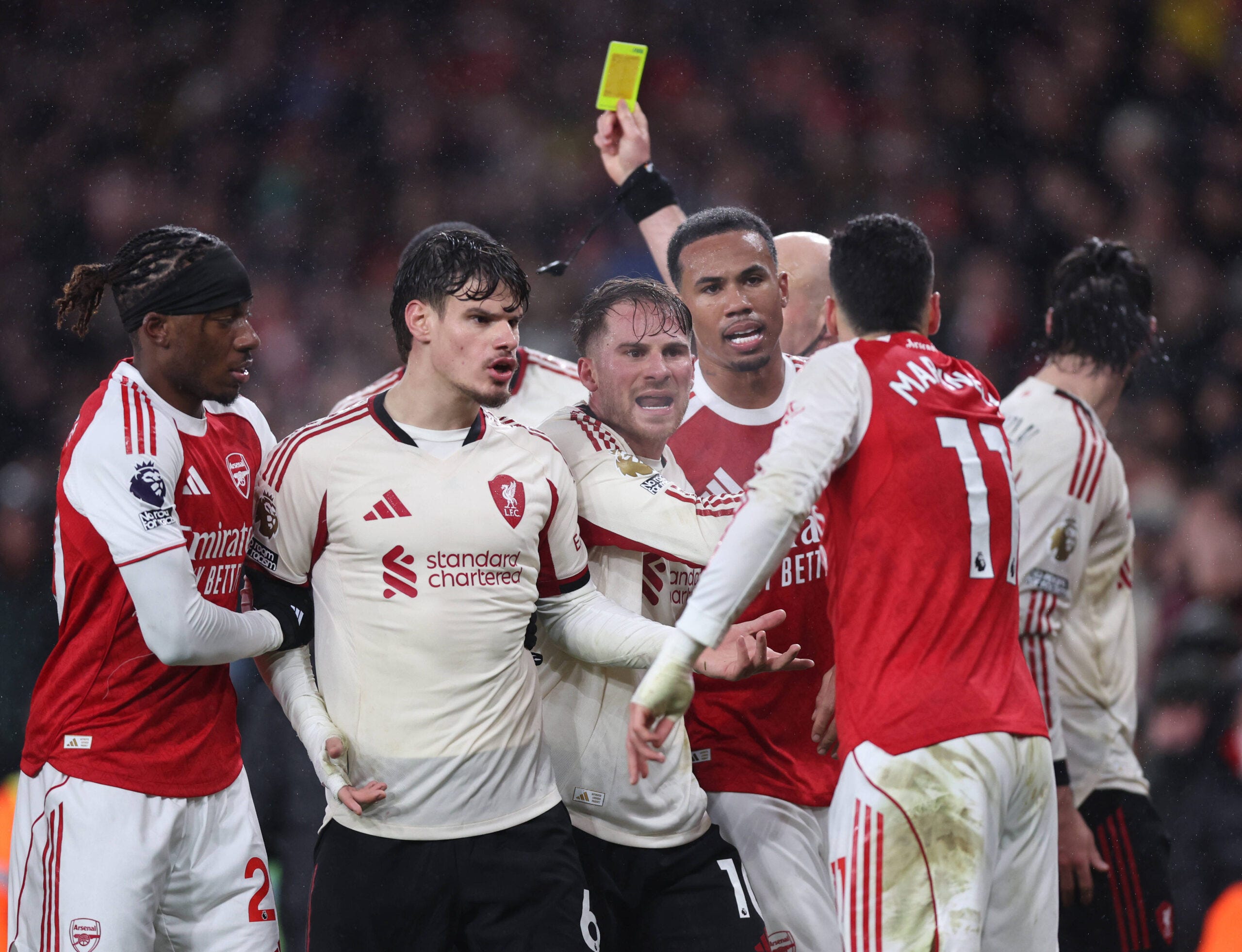
A Point Under the Lights, Control Without Reward
Thursday nights und
er the lights have become something of a curiosity for Liverpool, two weeks in succession now, and this trip to north London carried a different feel entirely. The Emirates is not a venue that yields points easily, particularly against a side leading the Premier League, and yet Liverpool left with their unbeaten run intact, even if the performance itself felt strangely incomplete.
A goalless draw rarely tells a generous story, but this one did, in its own austere way. For long spells it was attritional, cautious, occasionally uncomfortable, but not without merit. Liverpool were underdogs here, there is no escaping that, and in a league where fine margins define seasons, extracting a point from Arsenal’s home ground still carries weight.
The frustration lies in the sense that this was a game crying out for a fully fit striker. Control, particularly after the interval, was not rewarded. Dominance of territory did not become dominance of outcome.
Attacking Output Tells a Stark Story
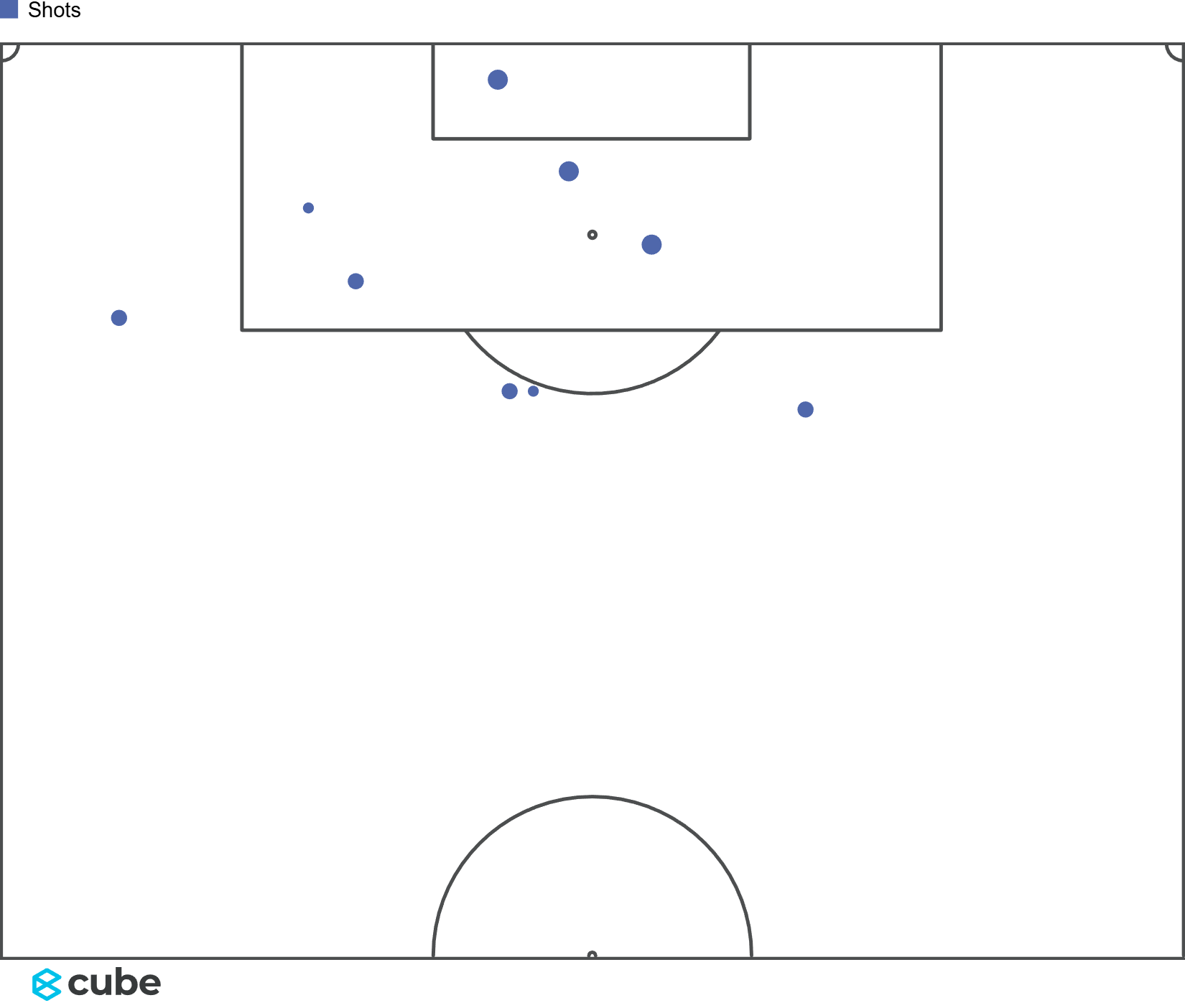
From a purely statistical standpoint, Liverpool were fortunate not to lose. The attacking numbers are unflinching. Seven shots, none on target, one effort from inside the penalty area, and a total expected goals value of 0.08. That is not blunt, it is barely present.
Conor Bradley’s audacious lob, clipping the crossbar after David Raya hesitated under pressure, was the closest Liverpool came. Even that chance was born of Arsenal anxiety rather than Liverpool incision, a rushed back pass, a hurried clearance, a momentary lapse. It was not the product of sustained attacking design.
Accumulating 0.01 xG per shot reflects a night where Liverpool simply could not manufacture meaningful opportunities. Arsenal’s defensive structure closed space early, denied central progression, and forced Liverpool into speculative, low value shooting positions. Against arguably the most complete defensive unit in the league, particularly at home, that problem was always going to be magnified.
The absences of Mohamed Salah, Alexander Isak and Hugo Ekitiké matter, and should be acknowledged, but Arsenal’s control without the ball was not solely a consequence of Liverpool’s weakened attack.
