

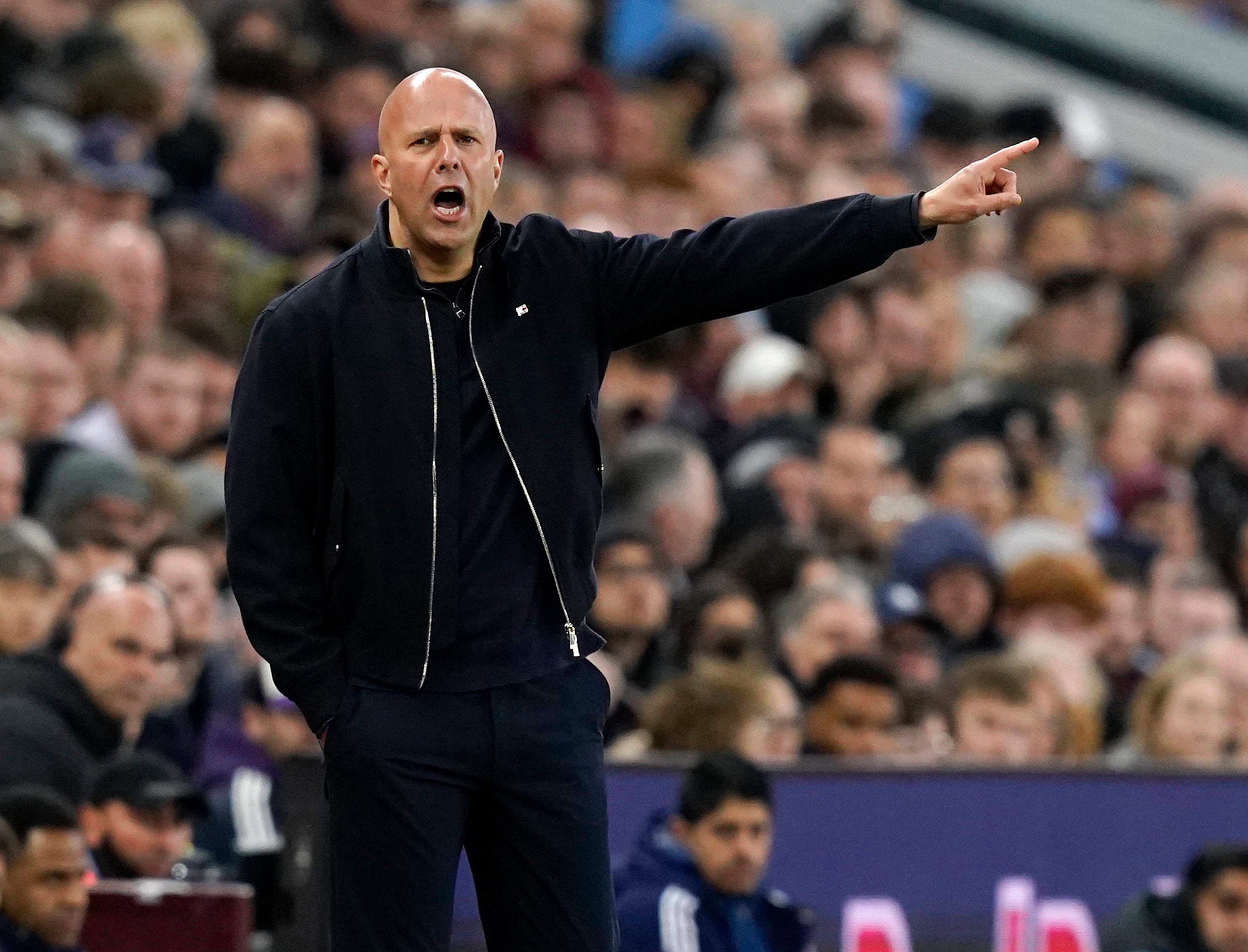
Liverpool have finally sacked Arne Slot.
From the outside looking in, it may seem harsh. A Premier League title in his debut season, followed by Champions League qualification in his second. Knocked out by the eventual winners, PSG, in both European campaigns. On paper, that is hardly the record of a manager who has failed beyond repair.
However, on the inside, it is far from harsh. Of course, it is sad. It is a person losing their job at the end of the day, and Slot will always deserve respect for being one of only two managers to bring a league title to Anfield in the past 35 years. That should never be ignored, reduced or rewritten.
But sentiment cannot cloud reality. It is impossible not to admit that the evidence stacked firmly against the Dutchman this season. Liverpool looked like a side drifting away from its own standards, and once that happens at Anfield, change becomes necessary.
So why did Liverpool sack Arne Slot?
On the Pitch
After a record breaking spend in the region of £450m, expectations were high for the reigning champions. This was meant to be the next step, the moment where a title winning platform became something stronger, deeper and more sustainable but the end result was very different.
Liverpool broke the record for the most defeats in a single season by a Reds side, with 20 losses across all competitions. That statistic alone is brutal enough, but the detail makes it even worse. A quarter of those defeats came by three or more goals, including heavy losses against sides such as PSV, Nottingham Forest and Crystal Palace.
For a club built on pride, resilience and the refusal to accept humiliation, that mattered. Liverpool can lose. Every great side does. But the manner of those defeats was alarming. Too often, they were not narrow setbacks or moments of misfortune. They were collapses. They were games where Liverpool looked passive, exposed and strangely resigned to their fate.
The 60 points accrued in the Premier League was the joint lowest tally to secure Champions League qualification in Premier League history, tied with Liverpool’s own side of 2004. Qualification for Europe’s elite competition may have been achieved, but they truly limped over the line.
Another daunting aspect was just how quickly the capitulation arrived while rivals were strengthening. Last season, Liverpool finished 42 points ahead of Manchester United. Fast forward one year, and the Reds finished 11 points behind their biggest rivals. That is a swing of enormous proportions, and for Liverpool supporters, it was simply unacceptable.
Liverpool have had poor seasons in the past. Even under Jurgen Klopp, campaigns such as 2020-21 and 2022-23 were disappointing. But the answers were clear. Injuries ravaged one season. A side that had gone well past its expiry date damaged another. Supporters could see the problem, understand the context and believe in the solution.
Slot would have had people believe this was the case again, but it was not. This was not a tired squad reaching the end. This was a heavily refreshed, heavily backed group that looked disjointed and uncertain. It was a team with no clear identity or direction, led by a coach who simply could not be trusted with another phase.
Style of Play
The style of play became a major issue.
Liverpool were slow, passive and weak. The word “boring” became attached to performances by many supporters, even at Anfield. That in itself tells a story. Liverpool fans will tolerate a lot if they feel there is purpose and a belief in what they’re trying to do. What they struggle to accept is a team that looks void of confidence and ideas.
That is a dangerous place for any Liverpool manager to find himself. Anfield has always demanded more than results. It demands energy and a side that looks like it belongs to the city and the shirt.
Slot’s Liverpool too often looked disconnected from that. The tempo was flat, the pressing was almost non-existent and the attacking play lacked consistent patterns. There were matches where individual quality dragged Liverpool through, but there were too few occasions where the system itself appeared to elevate the team.
That was one of the biggest reasons the club had to act. A manager can survive bad results if supporters can see an idea. They can survive criticism if performances suggest something is building. But once the football becomes slow and uninspiring, the ground starts to move beneath him.
Defensive Collapse
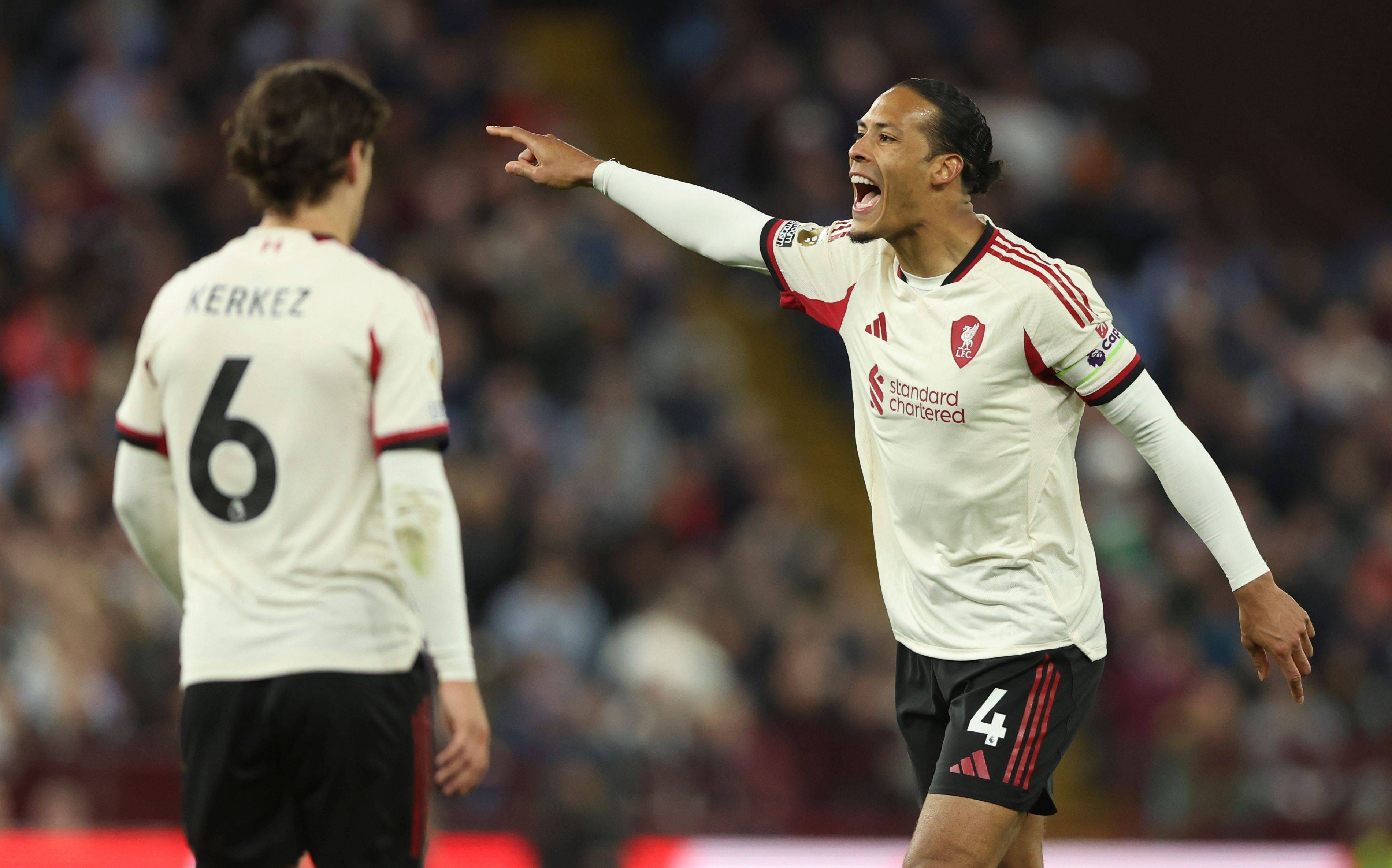
Defensively, Liverpool were all over the place.
The numbers were damning. Slot’s side conceded 78 goals across all competitions, with 53 coming in the Premier League alone. For a team that wanted to compete at the highest level, that was nowhere near good enough.
There were structural problems everywhere. The distances between defence and midfield were too big. Full backs were exposed. Centre backs were dragged into uncomfortable areas. The midfield often looked caught between pressing and protecting. Opponents found space too easily, carried the ball too easily and created chances too regularly.
Whilst there was plenty of individual mistakes across the season, the system that did not protect its players properly.
The concern was not merely that goals were being conceded. It was that the same types of goals were being conceded again and again. That points to a coaching issue and Slot never found a convincing answer.
New Signings
The handling of Liverpool’s new signings was another major problem.
Jeremie Frimpong and Milos Kerkez arrived with clear qualities, but Slot failed to use either effectively. Both players had attributes that should have added energy, width and dynamism, yet neither looked consistently comfortable within the structure of the team.
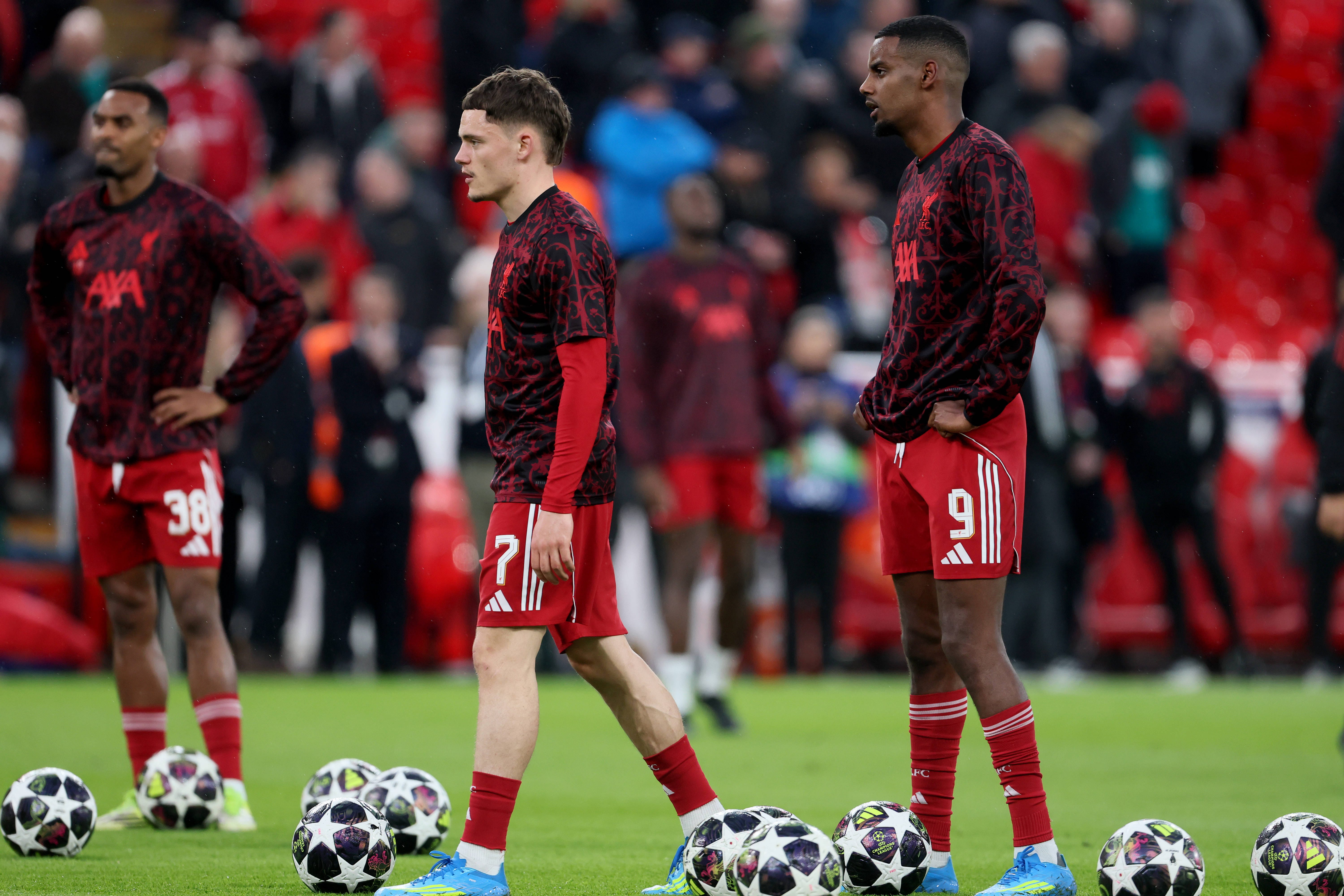
Florian Wirtz and Alexander Isak arrived for record breaking sums, but Slot simply had no clear idea how to use them. They were statement signings, players meant to shape the next version of Liverpool. Instead, they became a symbol of the confusion surrounding Slot’s side.
Wirtz, in particular, needed a defined role and rhythm. He is a player who thrives on connections, movement and attacking relationships. Liverpool never truly built that platform for him. Isak, meanwhile, required service, space and a team capable of creating high quality chances. Too often, when fit, he was left feeding on scraps or drifting into areas where his threat was reduced.
Hugo Ekitike was a success, and that should be acknowledged. But it is hard to deny that much of his impact came from individual talent rather than systemic clarity. He produced moments, he offered quality, and he gave supporters something to cling to, but it rarely felt like part of a wider attacking machine.
It was not just the new signings either. Slot’s failure to improve players during his time at the club became a major worry. Ryan Gravenberch would be the obvious exception, although even he struggled this season. Beyond that, it is hard to point to a long list of players who became clearly better under Slot’s coaching.
One slight positive was Slot’s handling of 17 year old Rio Ngumoha, who was integrated nicely into the first team setup. That showed there was at least some willingness to trust youth when the talent demanded it.
Off the Pitch
The problems ran far deeper than the pitch.
Slot received major backlash over the lack of intensity in his coaching. More days off, more holidays and less intense training sessions became a growing talking point. Performances appeared to reflect that drop in edge.
Only Chelsea and West Ham United covered less distance than Liverpool this season. That is an extraordinary statistic for a club whose modern success was built on intensity.
Distance covered is not everything in football, of course. Running without intelligence is just noise. But when a team looks passive and the numbers suggest it is not working as hard as its rivals, the criticism becomes difficult to dismiss.
Figures close to the academy setup at Liverpool have also revealed discomfort with the lack of attention paid by Slot towards the club outside the first team.
A Liverpool manager has to understand the whole institution. The academy, the supporters, the staff, the city, the history, they all matter. Slot, by the end, looked increasingly detached from those wider details.
Man Management
Slot’s man management became one of the biggest talking points, and it was not restricted to this season.
Go back to last year, and he was ruthless with youngsters such as Jarell Quansah and Harvey Elliott. He had issues with Darwin Nunez too. Those situations were noted at the time, but winning covers tension. Once results fall away, those moments are reexamined.
This season, his stand off with Mohamed Salah stole the headlines and ran right until the end of the campaign. Questioning the standards being set by the player who had been the main focal point behind his Premier League title success was always going to raise eyebrows.
That is without mentioning the lack of common sense in picking fights with a player who was heading out of the door in two weeks regardless. Salah’s departure was already emotional enough for supporters. Turning it into another public fault line only made Slot look more isolated.
Academy graduate Curtis Jones was pushed aside despite the team’s struggles and now sees his future elsewhere.
Slight jibes at the likes of Calvin Ramsay and Freddie Woodman did not go unnoticed either. Individually, those comments may not seem decisive. Collectively, they helped build a picture of a manager who struggled to maintain warmth, trust and unity within the group.
Supporter Mood
Slot had completely lost the support of the majority of the fanbase by the end of the season.
Boos were heard at Anfield on multiple occasions in the latter stages of the campaign, and once that happens at this club, it is incredibly hard to come back from. Liverpool supporters are not naturally inclined to turn quickly on managers, especially those who have delivered major trophies. But when faith disappears, it is for a reason.
The frustration was not just about results. It was about what people were watching. It was about a team that looked flat, predictable and short of belief. It was about expensive signings looking underused, established players looking confused and supporters wondering where the next genuine performance was coming from.
Anfield can be patient when it feels involved in a journey. It can endure pain when there is a sense of direction. But this was just a clear decline and the decision became inevitable.
Overall Thoughts
With all of that being said, Slot is a title-winning head coach. Respect is more than due. He gave Liverpool a remarkable first season, kept momentum going after the departure of Jurgen Klopp and delivered a league title when many feared the club might stumble badly during transition.
That cannot be forgotten.
But it is also hard to deny that he failed heavily in making the side his own. The landslide that started back in September was never really halted, other than an underwhelming 13 game unbeaten streak that included draws against the likes of Burnley and Leeds United.
Ultimately, Slot was a great appointment for one specific moment. He steadied Liverpool after Klopp, inherited a strong side and helped push it to glory. The decision to stick with him until the end of the season proved to be the right one, just. Liverpool secured Champions League football and avoided the chaos of a mid season change.
But now, the decision to part ways is also correct.
Liverpool need a new energy. They needed a manager who could take a lavishly backed squad and give it shape, edge and belief. Slot could no longer offer that.
He leaves with a league title, and that secures his place in Liverpool history. But he also leaves because the evidence became overwhelming. The football had gone stale, the defence had collapsed, the new signings were not being maximised, the dressing room looked fractured and the supporters had lost faith.
So now, a new era begins…
A great effort to give a balanced view but too many clichés and egregious Confirmation Bias. Did you not think that this season has been a blatant combination of 2020-21 and 2022-23..?! It is glaringly obvious that VVD, Robbo, Salah, Gomez and even Konaté do not have the speed or dynamism of 2 years ago. They are way past their peak. Their "legs have gone." Did Liverpool not have a whole host of injuries this season to established and new players? 🙃
Salah has behaved like a selfish, egotistical prick. He was responsible for Klopp leaving a year earlier than planned. One could say that Salah potentially cost Klopp another title. FSG were bullied by the Egyptian's agent and the fanbase into giving Salah a huge contract which was not warranted.
Robbo has clearly explained to that the pre-season was seriously curtailed by Jota's sudden death. That basically screwed the season, removing the fitness base and core strength for most of the squad. Most of the Liverpool team were going into the season at 80-85%, nowhere near the level needed in elite sports which is above 90%.