

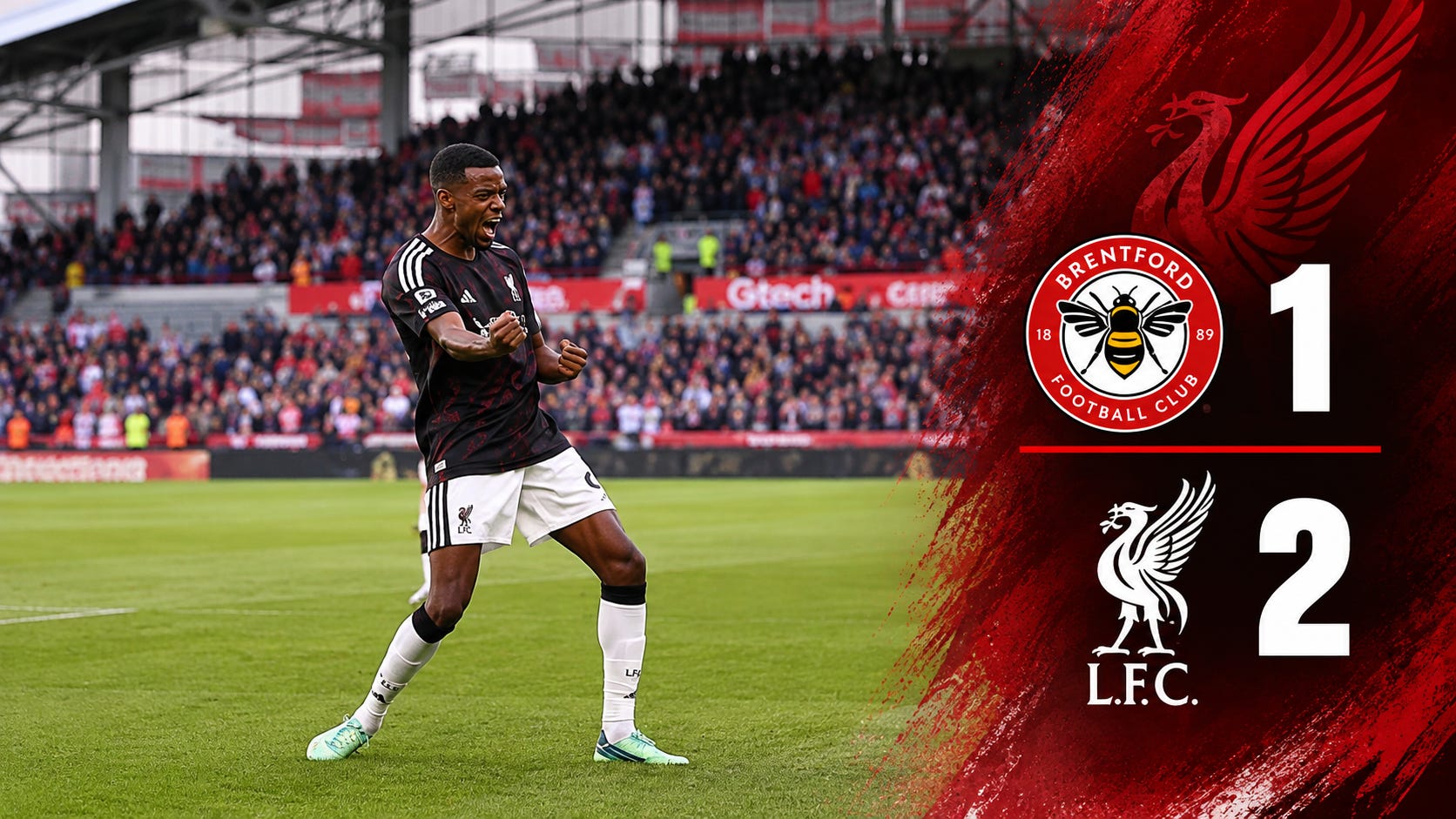
There are some away wins that feel more significant than others, and I think Liverpool’s 2-1 victory at Brentford belongs firmly in that category. It was not always comfortable, nor was it especially pretty, but it was the sort of afternoon where Liverpool had to deal with everything the Premier League can throw at you. There were injuries, physical battles, a hostile ground, a side determined to turn the match into a contest, and then the added pressure of playing against 10 men while already behind.
Those circumstances can make a game far more awkward than they first appear. Once Brentford were reduced to 10 men, the expectation immediately changed. Liverpool were no longer simply trying to play their way back into the match, they were expected to win it. Brentford could drop deeper, defend their penalty area and make every passing minute feel heavier. Liverpool handled that pressure, found the equaliser through Victor Muñoz, then Alexander Isak produced the winner.
What I liked most was the mentality behind it. Andoni Iraola did not manage the second half like a man who would be satisfied with a point. He managed it like the Liverpool manager, with the expectation that his side should find a way to win. That sounds obvious, but it matters.
Liverpool Took Control and Made Territory Count
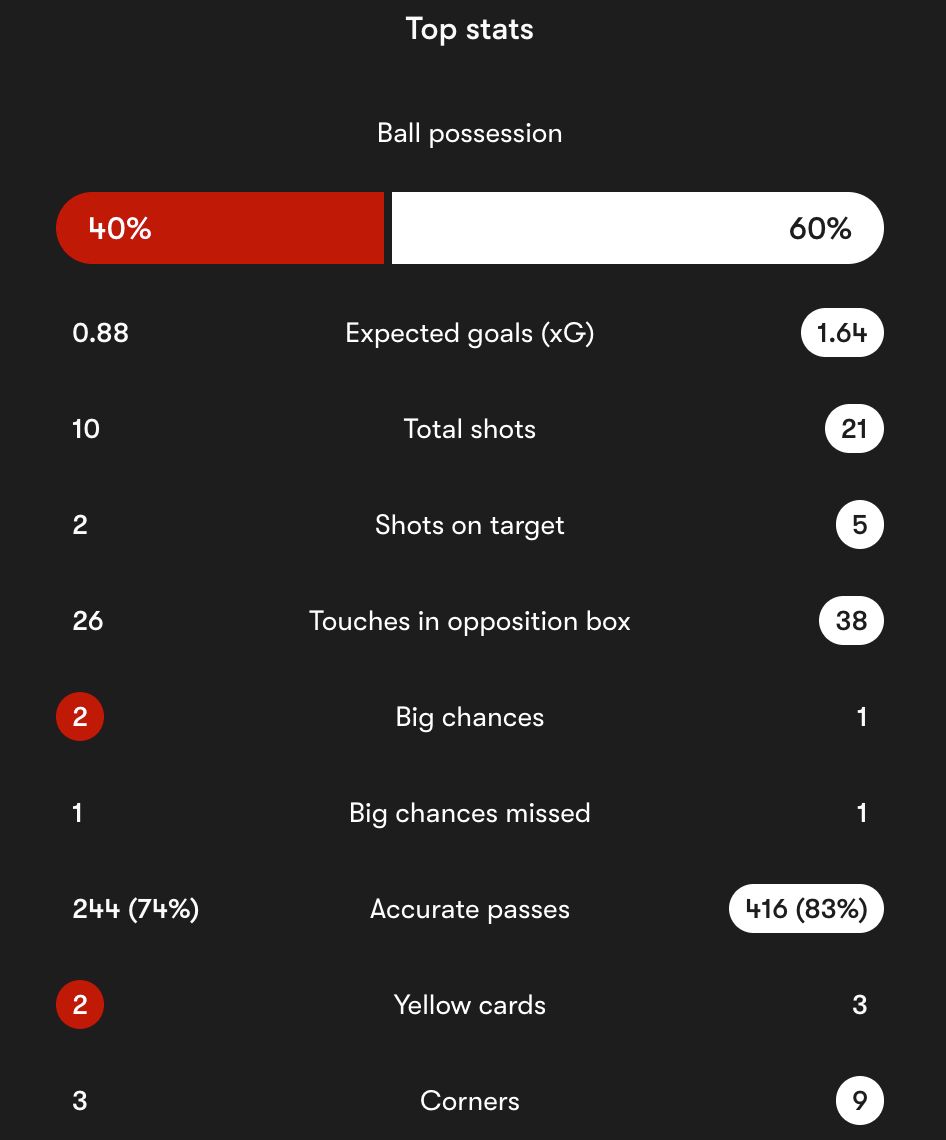
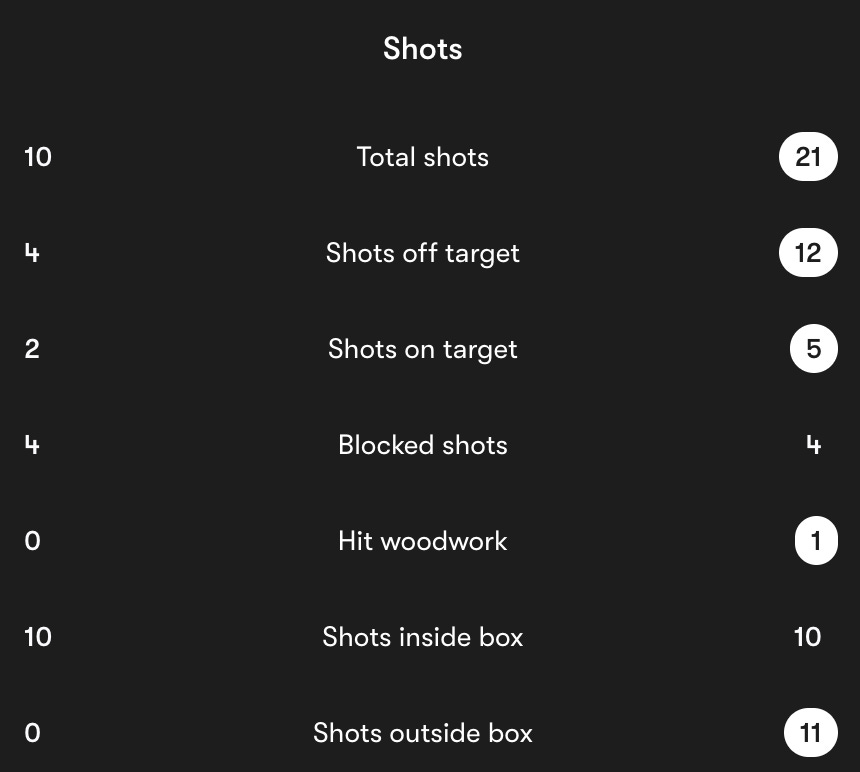
The overall numbers are strong and give a fairly accurate picture of Liverpool’s control. They finished with 60% possession, had 21 shots to Brentford’s 10 and recorded 38 touches in the opposition penalty area compared with 26 at the other end. Liverpool also generated 1.64 xG against Brentford’s 0.88, while completing 416 passes at 83% accuracy.
The territorial numbers are even more interesting. Liverpool completed 260 passes in the Brentford half, more than double the home side’s total of 125 in Liverpool territory. That tells you where much of the game was being played, and it also reflects what I thought was a very encouraging opening 20 to 25 minutes.
Liverpool were winning second balls, pushing Brentford back and generally looking far more comfortable in the physical side of the game than they have at times in the past. That is important. There were too many away performances last season where Liverpool could be knocked out of rhythm by direct football, set pieces and physical pressure. At Brentford, they looked far more willing to embrace that side of the contest.
The frustration was that Liverpool did not make that early superiority count on the scoreboard. Bradley Barcola had the best opportunity and there were other moments where Liverpool reached good areas without finding the decisive action. Brentford then settled, the game became disrupted by injuries and stoppages, and the home side eventually went ahead late in the first half through Keane Lewis Potter.
It was a very good goal. The delivery was excellent and the header even better, but it also felt harsh on Liverpool because they had spent much of the opening period on top. That probably added to the sense of unease at half time. Liverpool had played well enough to be ahead, yet suddenly found themselves behind.
