

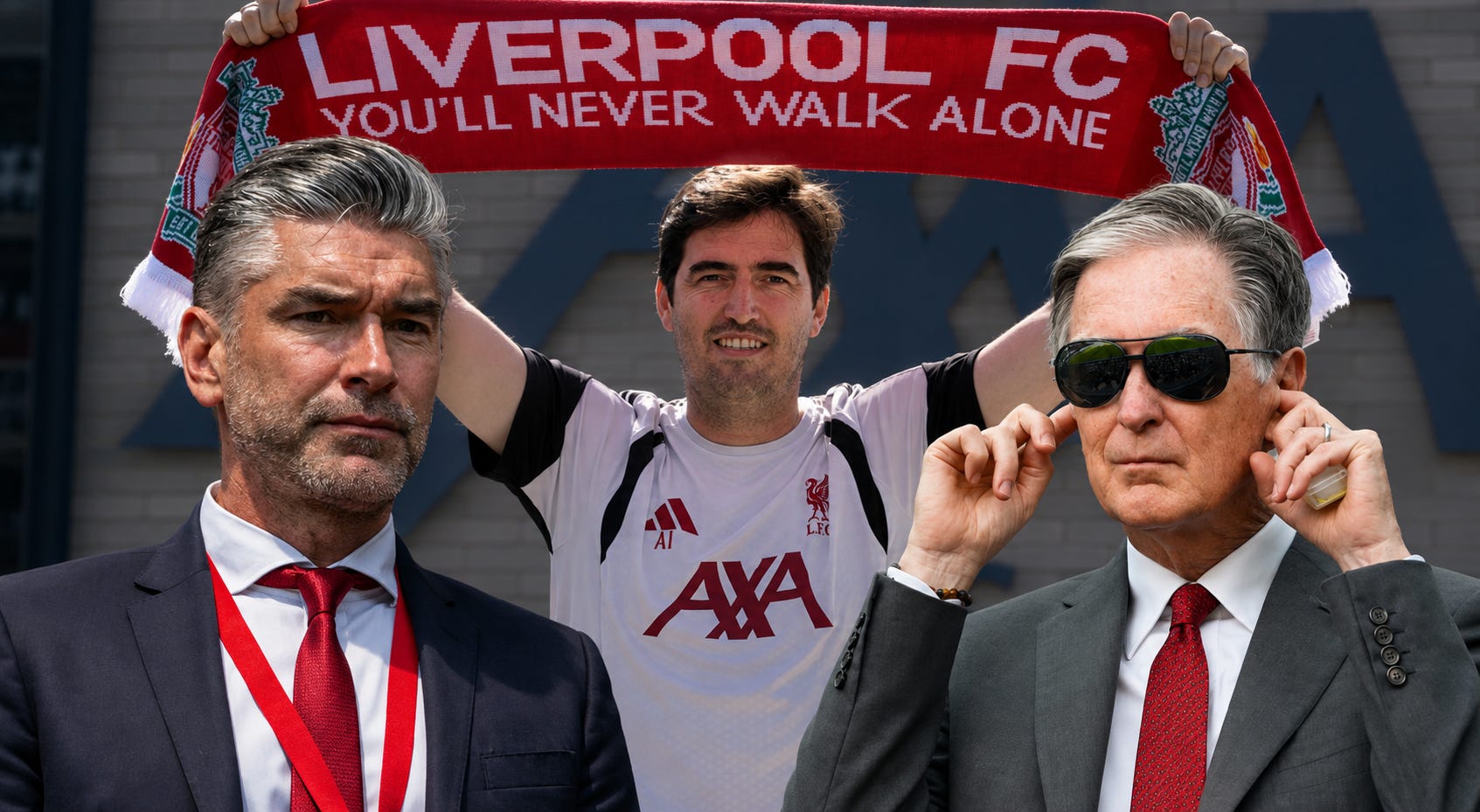
Imagine buying a house and deciding to renovate it properly.
You spend heavily. The kitchen is magnificent, the flooring is expensive, the furniture looks immaculate and every visible detail suggests serious investment. Friends walk through the door and immediately see where the money has gone.
Then it rains.
Water starts coming through the ceiling because nobody fixed the roof.
That feels uncomfortably close to Liverpool Football Club in September 2026.
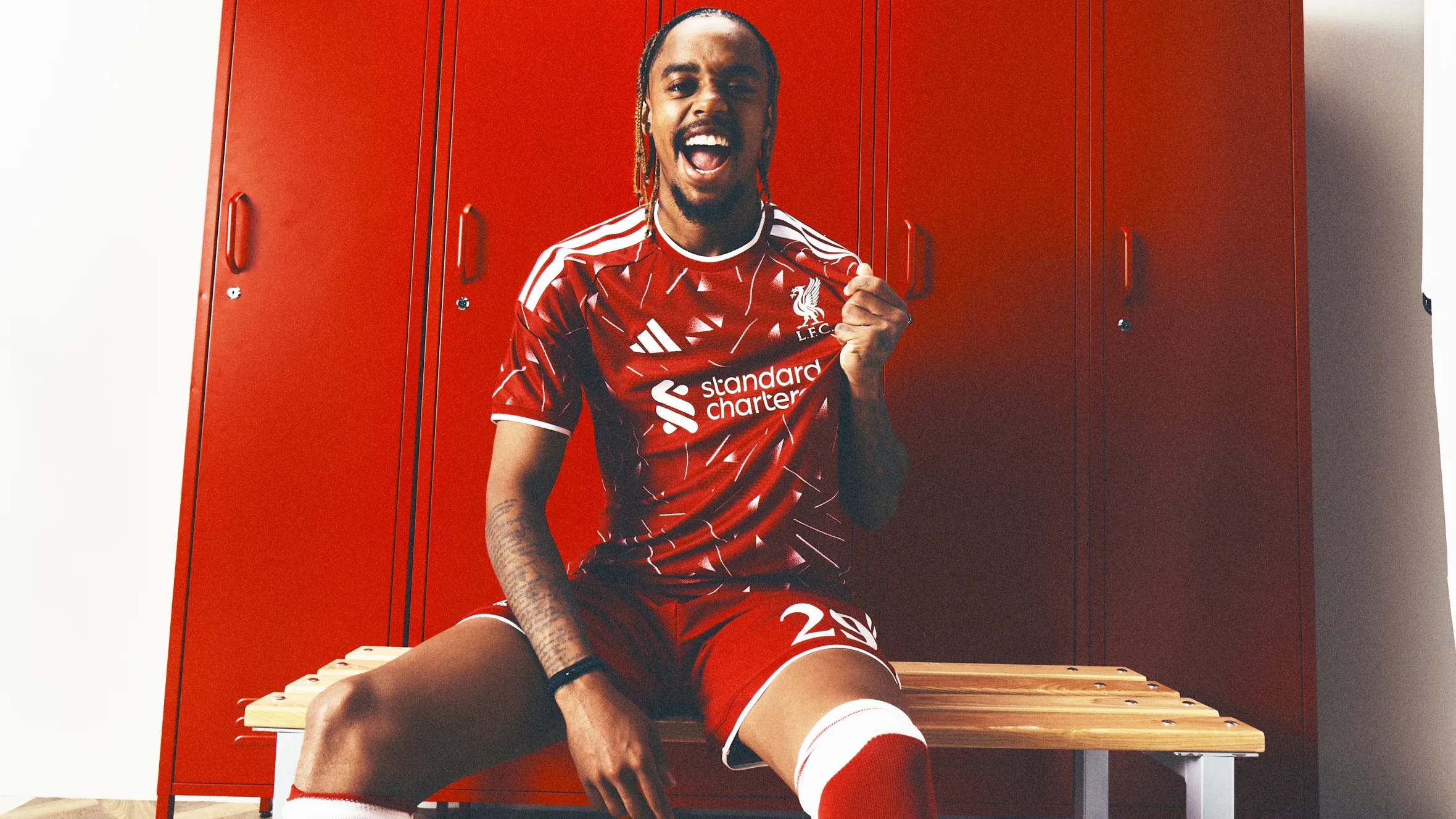
There is plenty of talent in this squad. Some of it is exceptional. Bradley Barcola could become one of Europe’s outstanding attackers. Victor Muñoz has already offered glimpses of why Liverpool were so keen on him. Jeremy Jacquet looks an excellent defensive prospect. Ronald Araújo is a sensible loan addition. The work Liverpool have done around academy and development recruitment also deserves praise.
Nobody looking seriously at Liverpool’s transfer activity can claim the club has simply refused to spend money.
The question is what that spending has produced.
Liverpool have entered a new managerial era with glaring uncertainty at right-back, an unresolved midfield, inadequate senior depth in several areas and too many players being asked to perform jobs they were never recruited to do.
Andoni Iraola has inherited expensive furniture and a leaking roof.
That distinction matters because the easiest argument after a poor transfer window is usually about money. Spend more, buy another player, pay whatever the selling club demands.
That is not my argument.
Liverpool’s failure this summer was one of construction.
It was a failure to identify priorities, sequence decisions properly, protect squad depth, manage departures and build around the requirements of the manager they had chosen.
Responsibility for that begins with Richard Hughes.
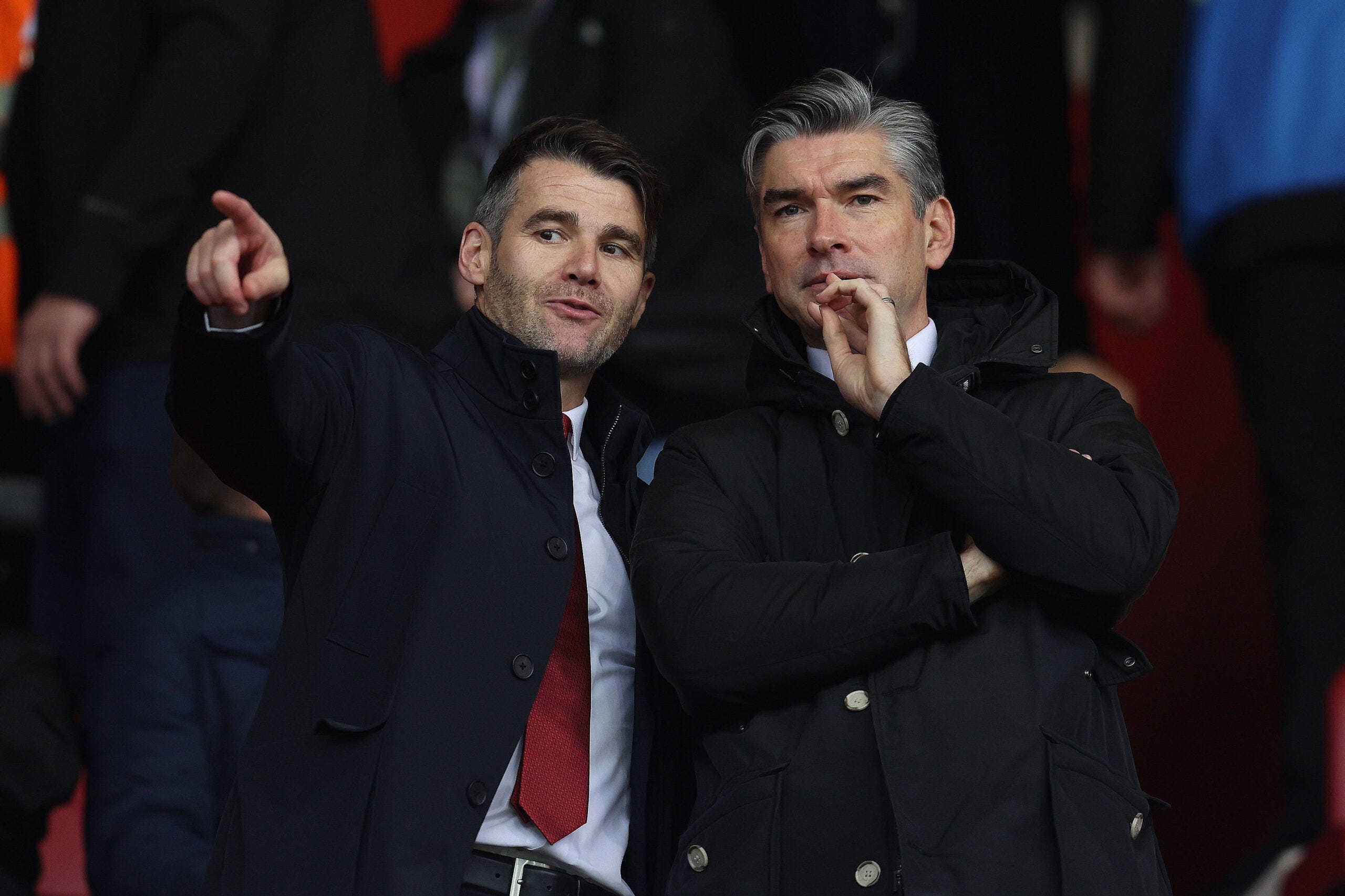
Richard Hughes and the Anatomy of a Failed Plan
I have been scathing about Hughes for months, which means there is little satisfaction in reaching this point.
I would much rather have been wrong.
There were moments when I wondered whether I had gone too early. Liverpool kept signing high-level footballers and Hughes could reasonably point to an impressive body of individual recruitment.
That deserves acknowledgement.
Hughes was not incapable of buying good players.
His failure was building a coherent squad.
That distinction matters because a sporting director is not employed to collect the most impressive names available. The job is broader and far less glamorous. It involves balance, contracts, succession planning, age profile, positional requirements, squad depth and understanding how one decision creates consequences elsewhere.
Liverpool increasingly look like a club paying today for what they failed to solve yesterday.
That is the real problem with Hughes’ tenure.
The current squad contains enough talent to produce a very good season, perhaps even a better one than many of us currently expect, but it also depends on a remarkable number of things going right at the same time. Barcola needs to adapt quickly. Muñoz needs to maintain his early momentum. Younger players need to develop faster than would normally be expected. Injured players need to return without setbacks. Iraola needs to find midfield combinations that give Liverpool control without exposing the defence, while also solving a right-back problem that recruitment left unresolved.
One or two gambles are normal in football.
When a squad requires this many simultaneously, the issue is no longer bad luck. It becomes the product of planning.
Right-back is the clearest example.
Conor Bradley’s serious knee injury was known long before the window reached its final week. Jeremie Frimpong began the season looking uncomfortable defensively. Dominik Szoboszlai ended up filling the position. Joe Gomez’s availability could never sensibly be treated as guaranteed.
None of this arrived as a surprise on deadline day.
Yet Liverpool still reached the final hours exploring a move for Malo Gusto.
Chelsea’s demands made that deal unattractive. Paying around £75 million for a player Liverpool appeared to view as a solution to an immediate structural weakness would have been reckless. Liverpool were right to walk away.
The failure was not refusing the fee.
The failure was reaching deadline day with that sort of deal as one of the remaining answers.
Exactly the same applies to the late attacking business.
Liverpool were right not to pay any price Brighton demanded for Yankuba Minteh. They were right to question the wisdom of spending enormous money on Ismaïla Sarr at 28. They were right not to allow desperation to produce long contracts for players they did not fully believe in.
Those decisions can all be defended individually.
Taken together, they expose the weakness in the process.
A well-run recruitment operation should arrive in August with multiple alternatives that have been assessed over months. It should know which players fit the manager, which fees are acceptable and which compromises preserve the balance of the squad.
Liverpool appeared instead to be waiting for the market to bend.
Brighton did not lower their valuation. Crystal Palace did not become more accommodating. Chelsea did not agree to a loan on Liverpool’s preferred terms. Selling clubs behaved exactly as selling clubs usually behave.
Liverpool seemed surprised by it.
Midfield leaves a similar impression.
Curtis Jones departed and was not replaced. Harvey Elliott went on loan. Liverpool had spent long periods examining midfielders over more than one window, while the need for greater control, defensive security and athleticism through the centre of the pitch had hardly been hidden.
The consequence is that Iraola now has to manufacture solutions from the players already there.
Move Szoboszlai to right-back and midfield becomes thinner. Keep him in midfield and right-back remains exposed. Give Trey Nyoni a major role and an enormously talented teenager is suddenly carrying responsibility created by the absence of senior recruitment.
There is nothing wrong with giving young players opportunities. There is something wrong when opportunity becomes necessity.
That is what proper squad planning protects against.
It is the part of recruitment that rarely generates viral announcement videos or social-media excitement. It is also the part that decides whether a team survives February when three players are injured, another is suspended and the manager needs reliable options from the bench.
Liverpool once appeared exceptionally good at understanding that.
Under Hughes, they increasingly looked comfortable leaving too much to chance.
There is another factor that makes the whole episode harder to accept.
Hughes’ period of greatest difficulty broadly coincided with Michael Edwards moving towards his own exit. Liverpool’s executive structure began to feel temporary at exactly the moment the squad required stability.
That matters because sporting directors are supposed to provide continuity when managers change. Coaches live with the pressure of results and can disappear quickly. Sporting leadership should operate on a longer cycle, protecting the club from short-term reactions and ensuring that recruitment, contracts and succession are connected.
Liverpool have instead experienced repeated turnover in the very positions designed to provide that continuity.
The sporting-director role should belong to a genuine long-term strategist, someone prepared to spend years shaping the football operation rather than becoming another short chapter in it.
That feels especially relevant now.
Once it became clear that Hughes was moving towards Saudi Arabia, Liverpool should have placed him on gardening leave.
That is not punishment. It is governance.
Senior executives in other industries are routinely removed from sensitive decision-making when they are preparing to join another organisation. It protects commercial information, relationships and strategic clarity. Football should not pretend those principles stop mattering because the transactions involve players instead of contracts in a boardroom.
Liverpool themselves benefited from Bournemouth taking a firm line when Hughes agreed to move to Anfield.
Liverpool then chose not to apply the same standard.
They allowed a sporting director with one foot towards the exit to oversee one of the most important transfer windows in the club’s recent history.
That summer involved a new manager, major departures, positional weaknesses, contract issues and a squad that already required careful rebalancing. It demanded somebody thinking not only about September 2026, but about 2027, 2028 and 2029.
Instead, the man directing much of the operation was preparing for his own next job.
Perhaps Hughes remained completely professional throughout. I have no reason to suggest otherwise.
Professionalism does not remove the underlying problem, nor does it erase the outcome.
Liverpool finished the summer with several strong individual signings and several obvious structural weaknesses. That was the recurring theme throughout the window. The club has spent vast sums across successive summers while still relying on a chain of favourable outcomes to make the squad function properly.
The contrast with Liverpool’s youth recruitment makes it even more striking. The work below first-team level has often appeared proactive, forward-looking and intelligent, while the senior squad has become increasingly reactive and dependent on improvisation.
That is why Hughes’ legacy cannot be assessed simply by listing the players he signed.
A sporting director is ultimately judged by the condition of the squad he leaves behind.
Liverpool will remember the major arrivals, and some may become outstanding footballers. What matters more is whether the team became healthier, more balanced and easier to manage over time.
On that measure, the picture is far less flattering.
Contracts have been allowed to drift into dangerous territory. Major departures have created urgent replacement needs. Problems in midfield and at right-back have been carried across windows. The squad now requires too much improvisation from the manager and too much luck with injuries.
That is the part that can set a club back for years.
Leave midfield short now and next summer’s midfielder becomes essential rather than optional. Fail to solve right-back and another budget has to revisit the same position. Allow senior players to approach the end of contracts and money that could have improved the team elsewhere is spent replacing assets who left for little or nothing.
Poor planning compounds. Problems that could once have been solved calmly become emergencies, and every emergency removes flexibility from the next decision.
That is the danger Hughes leaves behind.
Liverpool may still have an excellent season. Barcola may be brilliant immediately. Bradley may return strongly. Iraola may discover a midfield combination that changes the whole picture. Szoboszlai may even make right-back look natural.
Football allows for all of that.
A club of Liverpool’s size cannot build its strategy around the hope that wonderful things rescue incomplete planning.
Hughes was hired to reduce uncertainty. By the end of his tenure, Liverpool were carrying more of it than they should.
There is no need to erase the good work to reach that conclusion. He signed some excellent players and was part of a period in which Liverpool recruited serious talent.
History will remember those footballers individually.
It will remember Hughes for the condition of the squad he left behind.
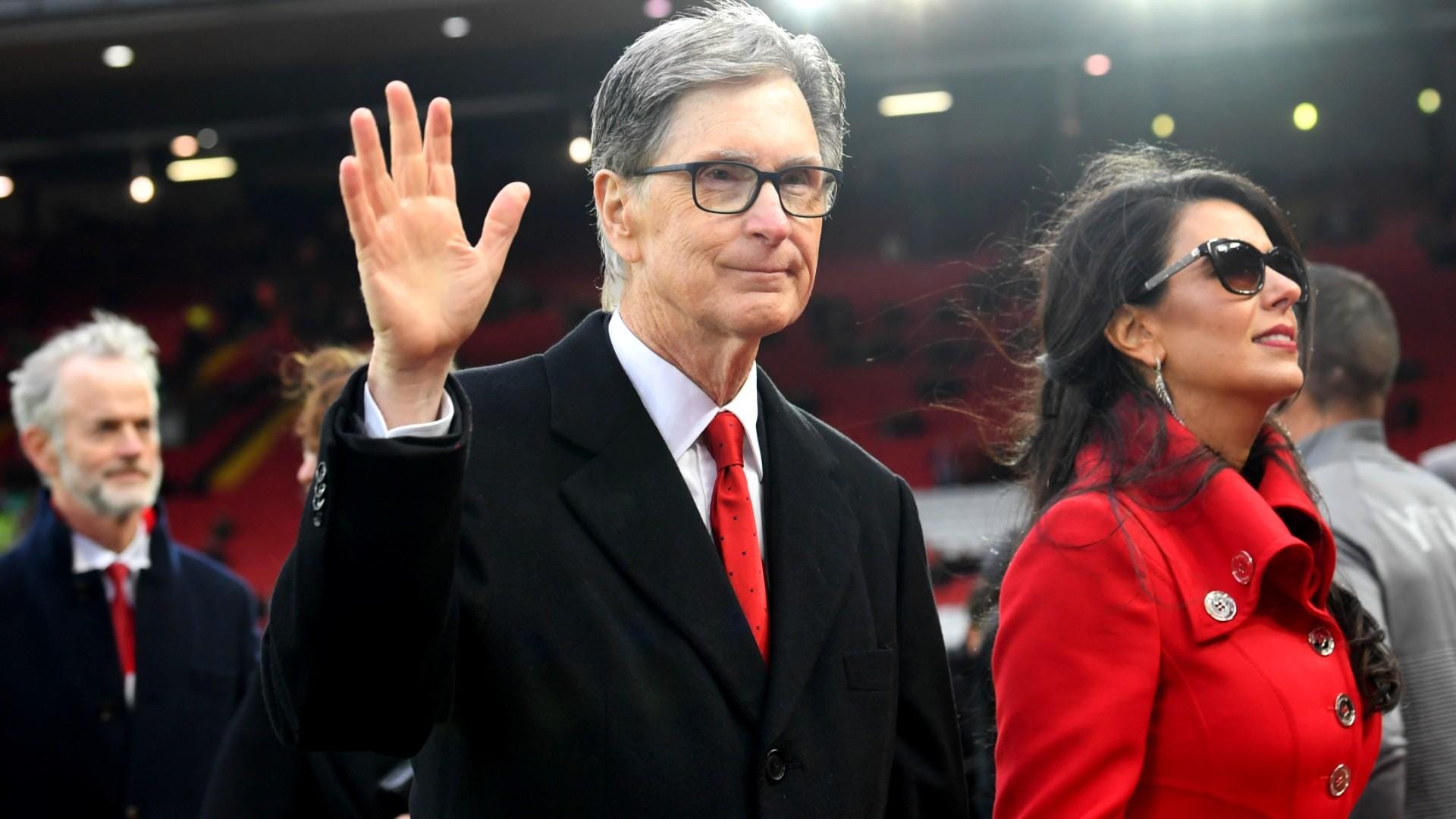
FSG, Power and a Liverpool Machine Losing Its Way
Richard Hughes deserves criticism for the squad he leaves behind, but Liverpool cannot conveniently pack every failure into his suitcase and wave goodbye.
Hughes did not appoint himself. He did not design Liverpool’s executive structure, decide who held authority or determine that a sporting director seemingly heading for Saudi Arabia should remain responsible for a transfer window of enormous importance. Those decisions belong higher up the chain, which is why my frustration with this summer ultimately leads back to Fenway Sports Group.
That is a significant change for me.
I have never been instinctively FSG-out. There were too many obvious reasons to resist that position and, for most of their ownership, too few convincing answers to the question that matters most when demanding somebody sells a football club: who comes next?
Liverpool have achieved extraordinary things under FSG. They returned to the summit of English football, won the Champions League and became one of the most powerful commercial institutions in the game. Anfield has been expanded, the training infrastructure transformed and the value of the club has multiplied spectacularly.
Those things happened on their watch and they deserve credit for them.
Gratitude, however, cannot become permanent immunity from scrutiny.
Football clubs change. Owners change. Circumstances change. The qualities required to rescue Liverpool from the state FSG inherited are not necessarily the qualities required to keep Liverpool ahead of Manchester City, Arsenal, Chelsea and Europe’s wealthiest clubs more than 15 years later.
My view now is straightforward. FSG have reached their sell-by date at Liverpool.
For years, the absence of an attractive alternative made me reluctant to say that. That position has changed. There is now the prospect of serious new investment and potentially a different ownership future. For the first time, I can look beyond FSG without feeling that Liverpool would necessarily be exchanging stability for roulette.
I want owners who desperately want Liverpool to win and demonstrate that ambition through their actions. I want an ownership group obsessed with appointing the best football executives available, retaining them, challenging them and ensuring the football operation has a clear direction from one season to the next.
That does not mean demanding a billionaire behaves like somebody playing Football Manager with the financial restrictions switched off. Liverpool do not need owners who simply throw money at every problem.
This summer should have taught us that money without coherent planning solves remarkably little.
Liverpool need leadership.
Executive Churn Has Become Impossible to Ignore
The sporting-director model is supposed to protect a football club from short-term thinking.
Managers live from Saturday to Saturday. A bad month can alter their future. Four defeats can turn a long-term project into a crisis. Sporting executives are supposed to operate on a different clock, thinking about the centre-back required in two years, the midfielder whose contract needs resolving now, the academy player who might save £50 million later and the age profile of a squad before it becomes a problem.
Liverpool have increasingly struggled to maintain that continuity.
Michael Edwards left, returned in a broader position and has now decided to leave again. Julian Ward had his period of responsibility. Jörg Schmadtke came and went. Hughes arrived with the expectation that he would provide the stability and strategic direction associated with the modern sporting-director model, and now he too is heading towards the exit.
At some point, turnover stops looking unfortunate and starts looking structural.
One of the discussions I reviewed while putting this piece together made the point that Liverpool need a sporting director prepared to become the long-term strategist of the football club. That should be an obvious requirement. The person responsible for designing the squad cannot constantly be somebody who might not be around to see the design completed.
It cannot be easy operating at executive level under FSG. Too many capable people have occupied important positions without staying long enough to provide the continuity the model supposedly prizes. That does not absolve Hughes of his mistakes, but it does force the question of why Liverpool repeatedly find themselves replacing people whose job is supposed to provide stability.
The next appointment therefore matters enormously.
I do not want Liverpool merely rearranging the existing hierarchy and announcing continuity as though continuity itself is virtuous. Sometimes an organisation reaches the point where continuity means preserving the problem.
Liverpool need someone with authority, imagination and enough security to tell ownership uncomfortable truths. They need somebody capable of looking three years ahead while still understanding that September 2026 matters. The club’s youth recruitment has been praised throughout the summer for appearing proactive and forward-looking, which makes the contrast with the first-team operation even harder to accept.
That competence needs to exist at the top of the football pyramid.
FSG’s responsibility is to make sure it does.
Fan Media Must Serve Supporters, Not the Club
There is another part of this summer that has bothered me, and it reaches beyond transfers.
It has been fascinating watching criticism of Hughes become considerably more fashionable as his departure approaches.
Where was some of this scrutiny when it could actually have mattered?
I understand how football media works. Access matters. Relationships matter. Information has value, particularly in an industry where one reliable piece of transfer news can produce enormous traffic. Journalists need sources and clubs need journalists. There has always been a degree of mutual dependency.
That relationship becomes uncomfortable when scrutiny starts disappearing.
A Liverpool patch journalist once told me something that has stayed with me. He said Tony Barrett, Liverpool’s press officer, would generally only contact them over something they had written or said if it was unequivocally false or potentially defamatory.
I cannot independently establish whether that approach applies universally, my own experiences with Tony are very different, so I can only relate what I was told.
If it’s accurate, however, I find the implications more troubling rather than reassuring.
If journalists covering Liverpool are genuinely able to express critical opinions without fearing that every uncomfortable sentence will cost them access, why does so much coverage still seem to land remarkably close to the interpretation most favourable to the club?
This summer has produced endless variations of familiar arguments. Liverpool are calm. Liverpool will only move for the right player. Liverpool are comfortable with their options. Liverpool will not be drawn into paying inflated prices. Liverpool trust their young players. Liverpool are prepared to wait.
Individually, any of those positions can be perfectly reasonable.
Repeated often enough while obvious weaknesses remain unresolved, they begin to feel less like analysis and more like insulation.
The problem becomes even greater when fan media behaves similarly.
I work in fan media. I understand the pressures involved and I certainly do not believe our job is to tell supporters what they want to hear. That would be every bit as dishonest as parroting the club. Sometimes the most useful thing a fan outlet can do is tell its audience that the club is right and the prevailing supporter anger is misplaced.
Independence works both ways.
But fan media has no meaningful purpose if proximity to Liverpool becomes more important than telling Liverpool supporters what we genuinely think.
A relationship with the club would be welcome, but only if it still allowed the outlet to remain honest with supporters.
That should be the minimum standard.
Liverpool already have a communications department. They do not need fan channels volunteering for another shift.
Nor do supporters need to be repeatedly persuaded that concerns they can see with their own eyes are somehow imaginary. Szoboszlai playing at right-back happened. Liverpool exploring another right-back happened. Jones leaving without a midfield replacement happened. Iraola publicly describing the squad as thin happened. The late attempts to reshape the attack happened.
Supporters noticing the implications of those things were not being hysterical.
Too often this summer, legitimate concern was treated as impatience from people who supposedly did not understand Liverpool’s sophisticated way of operating. Then, as the deadline approached and the promised bigger picture failed to materialise, some of the tone suddenly changed.
That is precisely why independent voices matter.
The job is not to be permanently angry. It is not to declare every transfer failure catastrophic or treat every owner as an enemy. It is to examine what is happening, apply the same standards regardless of who provides access and be prepared to reach an unfashionable conclusion before that conclusion becomes safe.
I went early on Hughes and took criticism for it.
I wish events had made me look foolish.
Liverpool Need New Energy Above Iraola
My concern with FSG therefore goes much deeper than whether another £50 million could have been spent this summer.
I no longer trust the structure to maximise Liverpool’s position.
That is the issue.
This is one of the biggest football clubs on the planet, generating enormous revenues and carrying extraordinary commercial power. Liverpool should be capable of combining financial discipline with sporting ambition. They should be able to plan beyond one window without leaving the current manager short. They should be capable of retaining outstanding executives or replacing them without repeatedly creating periods of uncertainty.
Most importantly, success should create momentum.
Winning should make Liverpool hungrier.
There was a time under FSG when Liverpool appeared to have discovered something close to the ideal formula. Smart recruitment, elite coaching, improving revenues and a clear football identity combined to produce one of the finest teams in the club’s history.
That achievement will always belong partly to the ownership.
So will what followed.
The standards cannot be frozen at the moment Liverpool finally climbed back onto the perch. Great institutions become vulnerable when yesterday’s achievement is allowed to justify tomorrow’s caution.
I want Liverpool behaving like a club that regards winning as the beginning of another challenge rather than the completion of one.
For the first time during FSG’s ownership, I believe the best route towards that future is for somebody else to take responsibility for it.
That does not make FSG terrible owners. It does not erase the trophies, the rebuilt stands, the training ground or the years when their model worked brilliantly.
It means their Liverpool story feels finished.
Every ownership eventually reaches the point where the question changes from what it has achieved to whether it remains capable of taking the club somewhere new.
I think Liverpool have reached it.
The next ownership must bring more than money. It needs football expertise, ambition, accountability and a willingness to build an executive structure populated by people who actually intend to remain long enough to execute a strategy.
Because the most expensive footballers in the world cannot compensate indefinitely for uncertainty above them.
And that brings us to the person who should carry the least responsibility for any of this.
Andoni Iraola.
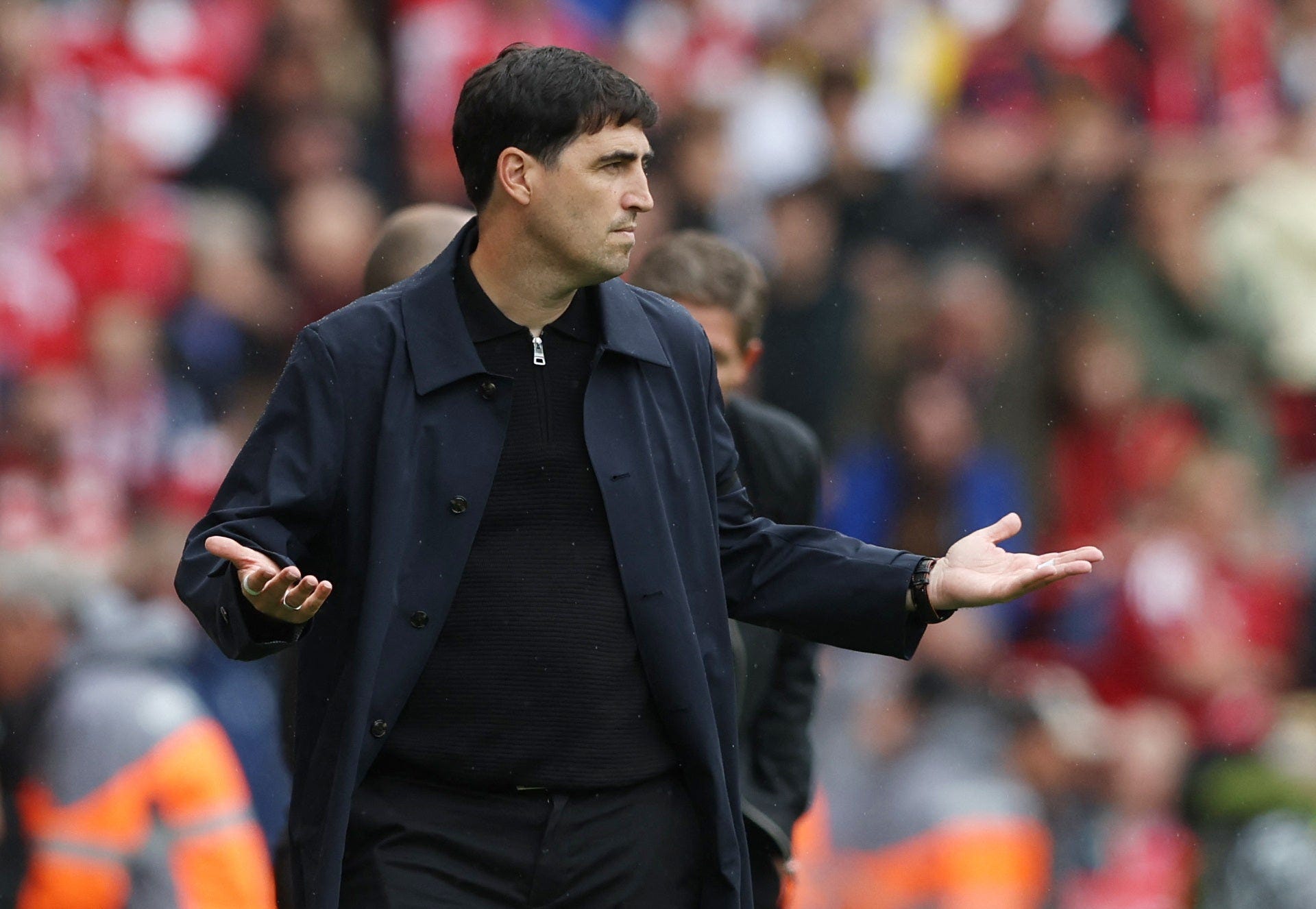
Iraola Deserves Patience, Liverpool Still Deserve Our Support
Andoni Iraola cannot spend the next nine months answering for the summer Liverpool have just endured.
There will be plenty he should answer for himself. Managers make mistakes. They select the wrong team, persist with combinations that are not working and occasionally make substitutions that leave thousands of people wondering whether they have been watching the same match. Iraola should receive no exemption from normal football criticism simply because Liverpool’s recruitment has been poor.
He should receive time.
That distinction will become important if this season develops as I suspect it might.
Liverpool are going to be volatile.
There is enough attacking quality in this team to destroy opponents. There are also enough structural weaknesses to make Liverpool vulnerable against sides capable of finding them. Some weekends may provide both experiences within the same 90 minutes.
That is why the opening two 2-2 draws have felt almost like trailers for the season ahead.
There will be big wins. There will probably be some heavy defeats. I expect Liverpool to draw far too many matches because the attack will rescue games the rest of the team has allowed to drift away, while defensive vulnerabilities will squander advantages the forwards have created.
At times it could be exhilarating.
At others it will be maddening.
Iraola has been given one of the best collections of attacking footballers in Europe and a squad behind them requiring considerable improvisation. The resources I reviewed repeatedly returned to the number of favourable outcomes Liverpool now need, from Barcola adapting immediately and young players developing quickly to injuries clearing up and the manager somehow discovering a midfield balance capable of protecting the defence without suffocating the attack.
That reliance on fortune should influence how we judge the manager.
Iraola did not arrive at Liverpool believing the squad was complete. His comments on August 21 were unusually revealing. He spoke about Liverpool still being “quite thin”, referred to signing players in the plural and emphasised the importance of what the squad would look like once the window had closed.
Bradley Barcola subsequently arrived.
The other reinforcements did not.
It therefore seems absurd to spend the coming months pretending Iraola received everything he expected and judging him accordingly.
He was appointed because Liverpool wanted his football. That football demands energy. It requires intensity, aggression and players capable of repeatedly performing high-output actions. It also creates a requirement for rotation because human beings cannot perform like machines three times a week from August until May.
If the squad begins to look tired, remember the summer.
If Szoboszlai is required at right-back while midfield looks short, remember the summer.
If a teenager is asked to play more football than would ordinarily be sensible, remember the summer.
If injuries leave Liverpool’s bench looking painfully light during a Champions League week, remember the summer.
Those are not excuses prepared in advance for Iraola. They are context.
The manager’s responsibility is to extract as much as possible from what he has been given. Our responsibility as observers is to judge him against reality rather than the imaginary squad Liverpool might have assembled.
Fourth Place Feels Like Both Ceiling and Floor
So what does that reality mean for Liverpool’s season?
My expectation is fourth.
Strangely, fourth currently feels close to both the ceiling and the floor.
Football can always make a fool of anyone confident enough to predict it in September, so I am not suggesting Liverpool are somehow guaranteed Champions League qualification. Injuries in the wrong positions could turn the season into something much uglier.
I simply look around the Premier League and struggle to find four teams that should finish above Liverpool.
Arsenal, Manchester City and Chelsea are different.
Squad for squad, I think all three are substantially better equipped for a league campaign than Liverpool. They have greater balance, more solutions across positions and fewer areas where a single injury could cause the structure to wobble.
Liverpool’s advantage is at the sharp end.
There is a serious argument that Iraola has the best strike force in the Premier League.
Barcola, Alexander Isak, Florian Wirtz, Cody Gakpo and Victor Muñoz give Liverpool a concentration of attacking talent that could make a mockery of pessimism on any given afternoon. Add the younger options and the eventual return of Hugo Ekitike, and there will be games when Liverpool simply possess too much quality for opponents to contain.
Keeping Gakpo was therefore essential.
I understood the temptation when an offer of around £85 million was being discussed. If Iraola genuinely believed Barcola plus a more natural right-sided attacker would improve his team, selling Gakpo at that valuation could have been defended as part of a deliberate reconstruction.
That depended upon the reconstruction actually happening.
Once the alternatives became enormous fees for players Liverpool were apparently unconvinced by, retaining Gakpo became the only sensible decision. He has started the season well, provides goals and can operate across the attack. More importantly, his departure would have removed another proven senior footballer from a squad already struggling for depth.
The episode encapsulated the window. A potentially clever decision became dangerous because the supporting work had not been completed.
Liverpool should still have too much for Manchester United, Tottenham Hotspur, Aston Villa and Newcastle United over 38 matches.
That is not arrogance. All four can beat Liverpool. Some may do so this season. They all possess enough quality to have periods when they look capable of pushing higher.
My judgement is simply that Liverpool’s attacking ceiling should eventually separate them.
Fourth place and a decent Champions League run are therefore realistic. With some luck, Liverpool might do better. A favourable draw in Europe, returning players, Barcola settling immediately and Iraola finding the right formula could transform the mood quickly.
There is something desperately underwhelming about writing those words on September 2.
Liverpool should not have entered this season hoping to secure fourth.
A club with these revenues, this recent expenditure, this stadium, this support and this collection of elite attackers should have been preparing to challenge for the Premier League.
Instead, two matches into a new managerial era, I find myself looking at fourth place as a sensible outcome.
That feels pathetic.
It also feels realistic.
Perhaps Iraola will make that assessment look embarrassingly conservative. I hope he does.
There is certainly enough talent to imagine periods of spectacular football. When Wirtz, Barcola and Isak begin to understand one another, Liverpool could become devastating. Muñoz has already supplied energy and directness. Gakpo looks rejuvenated. Szoboszlai has the athletic capacity to become hugely important wherever Iraola eventually settles him.
There will be nights at Anfield when all of it catches fire.
My concern is everything that happens between them.
League titles are built as much on mundane Saturdays as spectacular Sundays. They are won when a tired team gets through an away match after travelling in Europe, when the first-choice right-back is unavailable, when a midfielder needs resting and when the manager can change three players without changing the quality of the team.
That is where Liverpool’s summer may extract its price.
The season consequently feels destined to become a rollercoaster, with enough brilliance to keep dragging us upwards and enough imbalance to send us hurtling back down.
I am not particularly looking forward to that uncertainty.
I am determined to enjoy Liverpool anyway.
Anger Must Stop at the Touchline
This is where supporters have a choice.
For months, transfers have dominated almost every conversation surrounding Liverpool. Sporting directors, owners, net spend, contracts, valuations, deadlines and recruitment strategy have become the language through which we discuss the club.
Some of that is unavoidable. I have contributed plenty of it myself.
The window is closed now.
Richard Hughes cannot sign a midfielder on Friday morning. FSG cannot manufacture a right-back halfway through the second half against Ipswich. Complaining about the construction of the squad will remain legitimate, particularly when the consequences become visible, but the people capable of changing it have temporarily left the stage.
What remains is Liverpool.
I want Iraola to succeed.
I want Barcola to become one of the best attackers in Europe.
I want Isak scoring relentlessly. I want Wirtz producing the football that made Liverpool believe he was worth building around. I want Muñoz terrifying full-backs. I want Gakpo’s revival to continue. I want Nyoni to receive opportunities because his talent demands them, rather than because the club left the manager without another choice.
And if Szoboszlai really is going to play right-back, I will happily discover that we have accidentally found the Hungarian Cafu.
There is no contradiction in any of that.
Supporting Liverpool does not require approving of the people running Liverpool.
Wanting FSG gone does not mean wanting FSG’s team to lose.
Believing Hughes has performed badly does not require hoping his signings fail so that an old opinion looks clever.
Football becomes miserable when every match is reduced to evidence in an argument.
A player you dislike misplaces a pass and you feel vindicated. A signing you opposed misses a chance and your first instinct is to revisit the transfer fee. A manager you doubted loses a game and suddenly being right becomes more satisfying than Liverpool winning would have been.
I have no interest in spending a season like that.
One of the strongest themes running through the supporter discussions after the window closed was that, however badly people felt Liverpool had handled the summer, there was still a world in which this team could succeed. Once the transfer noise stops, the manager, players and supporters have to get on with the season together.
That is where I am.
I have spent months criticising Hughes. I have reached the point where I want FSG to sell. I think Liverpool have badly mishandled a crucial period and unnecessarily restricted what their new manager can achieve.
I also cannot wait to see Barcola in red.
Both things can be true without weakening either conviction.
Patience with Iraola will be particularly important because the temptation to transfer our anger towards him will arrive quickly if results wobble. Liverpool supporters have spent the summer being promised a finished picture. If the picture now looks incomplete on the pitch, the easiest person to blame will be the man standing beside it every weekend.
We should resist that.
Judge his tactics. Question his selections. Debate his substitutions. If he repeatedly makes the same mistake, say so.
Give him the opportunity to build something first.
Liverpool knew what sort of coach they were appointing. They knew the physical demands of his football and they knew the squad he inherited. If they failed to provide all the tools required to implement that football, the manager cannot be expected to manufacture them from thin air.
Anfield can at least provide something recruitment failed to deliver.
Support.
There will be enough pressure outside the stadium. Iraola does not need the first months of his Liverpool career conducted against a soundtrack of resentment aimed at people sitting several floors above him.
For 90 minutes, forget them.
This season now belongs to those wearing the shirt, the man coaching them and the people willing them forward.
Perhaps fourth really is the ceiling.
Perhaps Liverpool will draw far too many games, suffer a couple of horrible defeats and spend the spring protecting Champions League qualification.
Perhaps the attack will become so good that all my concerns look absurd.
I would love that.
Because after months spent discussing sporting directors, ownership structures, contracts and transfer strategy, I would quite like to get back to the reason any of this mattered in the first place.
I want to enjoy Liverpool again.
Liverpool Have to Play Through the Rain
So we return to that house.
The kitchen is beautiful. The furniture is expensive. There are rooms capable of taking your breath away.
The roof still leaks.
You can argue with the builder about how it happened. You can question why problems identified months ago were never repaired. You can decide that the people who own the property have had their time and somebody else should eventually be trusted with the keys.
You still have to live there.
That is where Liverpool supporters find themselves now.
For the next nine months, Richard Hughes matters considerably less than Bradley Barcola. Ownership structures matter less on a Friday night at Anfield than whether Alexander Isak puts the ball in the net. Transfer strategy cannot help when Iraola needs a goal with 20 minutes remaining.
There will be another time for all of that. January will arrive. Another summer will follow. Hughes will leave, Liverpool’s executive structure will change and questions surrounding FSG’s future will become impossible to avoid.
Until then, anger at how Liverpool have been run cannot become indifference towards Liverpool itself.
I have no intention of spending this season hoping to be proved right.
I want to be spectacularly wrong.
I want fourth place to look laughably pessimistic by Christmas. I want Barcola, Isak and Wirtz to terrorise the Premier League. I want Iraola to find solutions I cannot currently see. I want Champions League nights at Anfield when nobody is thinking about sporting directors, net spend or contracts because Liverpool are too busy reminding Europe what the place can become.
That possibility remains.
Football has never respected spreadsheets, predictions or September certainty. Great teams have emerged from imperfect circumstances before. Managers have solved problems recruitment departments could not. Young players have developed faster than anyone expected. Supporters have helped ordinary nights become extraordinary ones.
Liverpool will need plenty of that this season.
They will need luck with injuries, patience with a new manager and resilience when the weaknesses left by this summer inevitably surface. Above all, they will need Anfield to recognise where responsibility belongs.
I can want new ownership and still desperately want Liverpool to win.
I can believe Richard Hughes failed at his job and still celebrate every goal scored by the players he signed.
I can fear what this squad lacks while being excited by everything it possesses.
That is football. Supporting a club was never supposed to be an exercise in intellectual consistency. It is emotional, irrational and occasionally ridiculous. It is walking towards the ground convinced there are problems everywhere and, by kick-off, believing your team can beat anyone.
That is the Liverpool I want back.
FSG must answer for the direction of the club. Whoever succeeds Hughes must repair the planning that has left Iraola unnecessarily exposed. Liverpool’s next football operation needs to be bolder, smarter and considerably more stable.
Those arguments can wait until the final whistle.
For now, the builders have gone.
We are still living in the house.
And until somebody finally fixes the roof, Liverpool are going to have to play through the rain.
Brilliant Chris.
An insightful read, thanks.