

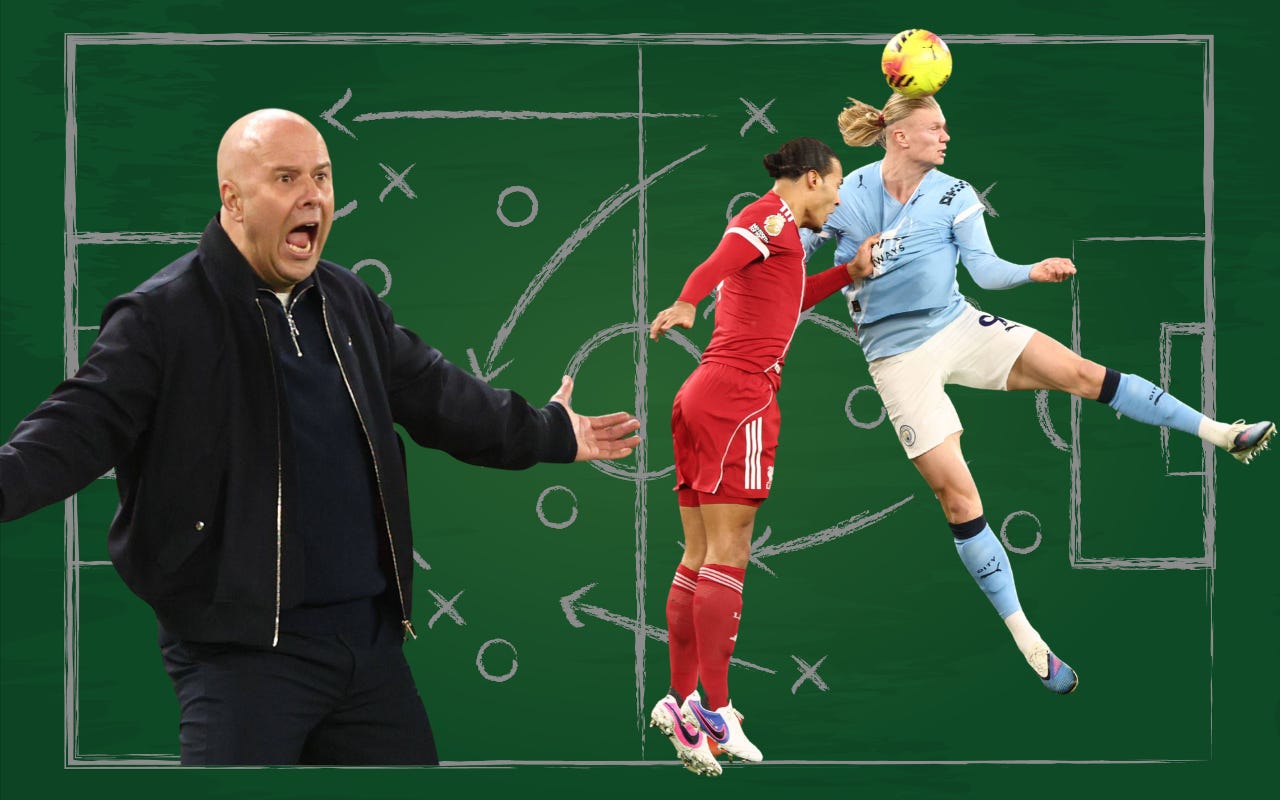
Liverpool’s 2–1 defeat to Manchester City at Anfield felt heavier than most narrow losses. Leading until the 83rd minute, they appeared to have navigated another high wire Premier League encounter, only for the game to unravel in a frantic, unforgiving finale. It was intense, noisy and occasionally chaotic, with both sides showing flashes of brilliance alongside periods of clear vulnerability. Neither team operated at the level of control or fluency that once defined this rivalry, yet City once again found a way to win.
From a statistical analysis perspective, the final score is difficult to argue with. The decisive moment came from the penalty spot, which often proves the difference when two elite teams generate similar volumes of opportunity. Liverpool’s problem, though, was familiar. Their average chance quality remained low, an issue that has surfaced repeatedly this season and one that cannot be disguised by effort or emotion alone.
This is precisely why caution followed the Newcastle match. The raw output looked encouraging, but the underlying numbers suggested fragility. Against Manchester City, those concerns were amplified. Liverpool registered fewer shots, fewer shots on target and fewer attempts from inside the box. Most alarmingly, they failed to record a single shot on target from inside the penalty area. They also lost twice as many aerial duels and completed slightly fewer passes into the box.
In a match that bordered on must win territory, particularly with Chelsea and Manchester United both collecting victories and Aston Villa securing a point, the consequences are stark. Liverpool’s hopes of Champions League qualification have taken a tangible hit, and the margin for error is narrowing rapidly.

