

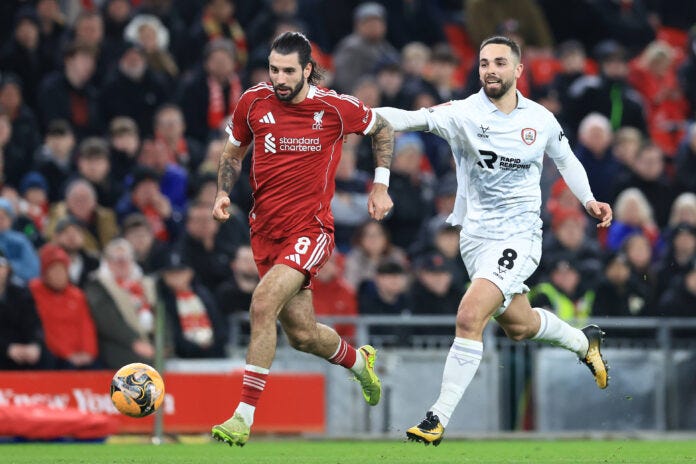
Liverpool 4 Barnsley 1, Control, Chaos and Quality in the FA Cup
Liverpool’s passage into the fourth round of the FA Cup should not be mistaken for comfort. The 4 to 1 scoreline against Barnsley reads as authority, yet the data, the patterns of play and the moments between goals tell a more complicated story. This was a night of dominance in possession, superiority in territory and shot volume, but also one where structural looseness and individual error briefly invited jeopardy.
Arne Slot’s side ultimately relied on technical excellence in key moments rather than collective fluency across ninety minutes. Against a League One opponent who played without fear, Liverpool were both expansive and exposed, ruthless late on but occasionally careless earlier. The numbers help explain why both things can be true at once.
Possession without control
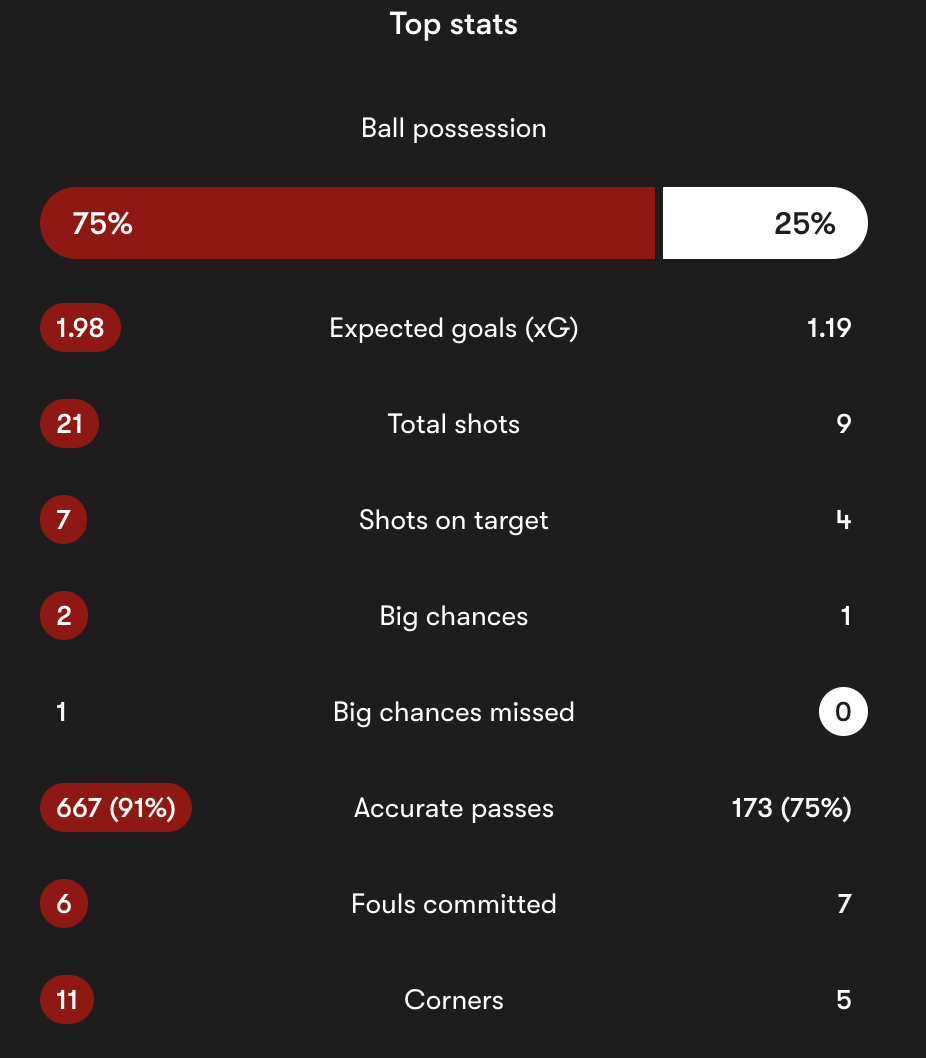
Liverpool finished the match with 75% possession, completing 667 accurate passes at a 91% success rate. Barnsley, by contrast, attempted just 232 passes, with accuracy dropping to 75%. On the surface, this looks like a mismatch. In reality, possession alone did not suppress threat.
Barnsley created 1.19 expected goals from only nine shots, a strong return for a side that spent long spells without the ball. Liverpool’s 1.98 xG came from 21 attempts, but crucially, much of that superiority was accumulated later in the match. Early on, the visitors consistently found space in transition, especially down Liverpool’s right side.
Liverpool completed 492 passes in the opposition half, compared to Barnsley’s 62. That territorial dominance should have suffocated a lower league side, yet it did not. Instead, it created a stretched game state, one where Liverpool’s rest defence was repeatedly tested by direct running and early balls into the box.
This was not sterile possession, but it was not fully controlled possession either. Slot’s system prioritises circulation and positional rotation, but with Szoboszlai drifting deep and Frimpong pushing high, the balance was occasionally fragile.
