

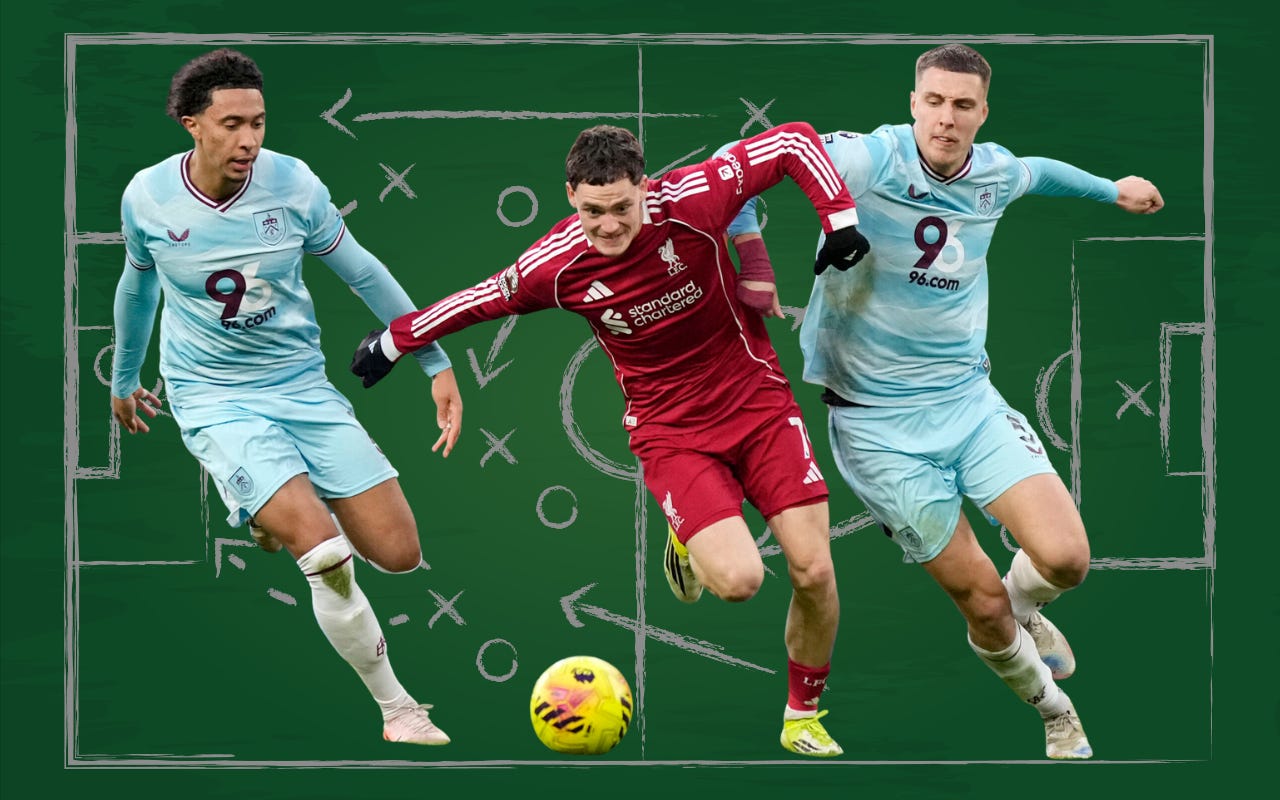
Liverpool’s 1 -1 draw with Burnley at Anfield felt familiar in all the wrong ways. Against a side drifting steadily towards relegation, the Reds once again left the pitch knowing they had been the better team, and once again frustrated that it counted for little. Two more points slipped away in the Premier League, and with them a little more belief in the pursuit of Champions League qualification.
There was, at least, a sense of improvement. Compared to recent home matches against teams of similar quality, Liverpool were sharper, more aggressive, and more coherent in possession. Yet results shape mood, and after weeks of squandered opportunities, a better performance without a better outcome did little to lift the atmosphere. The season has been long, and it is beginning to show, not just in the table but in the stands.
That sense of fatigue raises broader questions. How are the players processing this moment, caught between control and consequence. How is the coaching staff judging progress when the numbers say one thing and the scoreboard another. And how patient can supporters be when patterns keep repeating.

Numbers point one way, reality another
From a statistical analysis perspective, Liverpool should have won this match. Dominik Szoboszlai missed a penalty, only the second of his career, but even without that moment, the underlying data favoured the hosts heavily. Liverpool generated 2.21 expected goals from open play, a total that normally brings comfort rather than concern.
Burnley, by contrast, produced no big chances. Their total expected goals sat at 0.84, built on an average chance quality of just 12%. Liverpool’s problem was not volume but value. Without the penalty, their average chance quality dropped to 7.1%, an alarmingly low figure for a team spending so much time around the opposition box.
Fourteen shots from outside the penalty area played a major role in dragging that number down. Too often, promising attacks ended with speculative efforts from poor angles, a sign of impatience creeping into decision-making. Thirty-one crosses told a similar story. Without a dominant aerial presence in the box, that level of crossing brings diminishing returns, especially against a defence set deep and waiting.
