

Every year Liverpool publish their accounts and the same thing happens. A few headlines appear, fans glance at the top line numbers, and then the conversation moves on.
But if you take a proper look under the bonnet, there’s a lot going on.
On the latest episode of Money Talks on Anfield Index, I sat down with football finance analyst Greg Cordell to go through Liverpool’s 2024/25 accounts. These are the numbers from a season where the club won the Premier League title, reached the Champions League round of 16, and finished runners-up in the League Cup.
The figures look strong at first glance. Record revenue, positive cash flow, and a return to profit. But once you dig deeper, you realise there’s a more complicated story unfolding around costs, wages and the way the club is operating financially.
Let’s walk through the key points in plain English.
Record Revenue but a Modest Profit
Liverpool broke through the £700 million barrier for the first time.
Total revenue reached about £702.7 million, with the club also receiving roughly £13 million from an insurance settlement, taking overall income to around £716 million for the reporting period.
That is a huge number. It also put Liverpool top of the Premier League revenue table for the year, ahead of Manchester City and Arsenal.
But the headline profit was much smaller than many people expected.
Liverpool reported a post tax profit of £8.3 million. The year before that the club recorded a pre-tax loss of £57.1 million, so this represents a major improvement year on year.
Still, when you look at the scale of the revenue, an £8 million profit looks thin.
Strip out the insurance payment and the club would actually have reported a loss. That tells you one thing straight away.
Costs are rising across football and Liverpool are not immune.
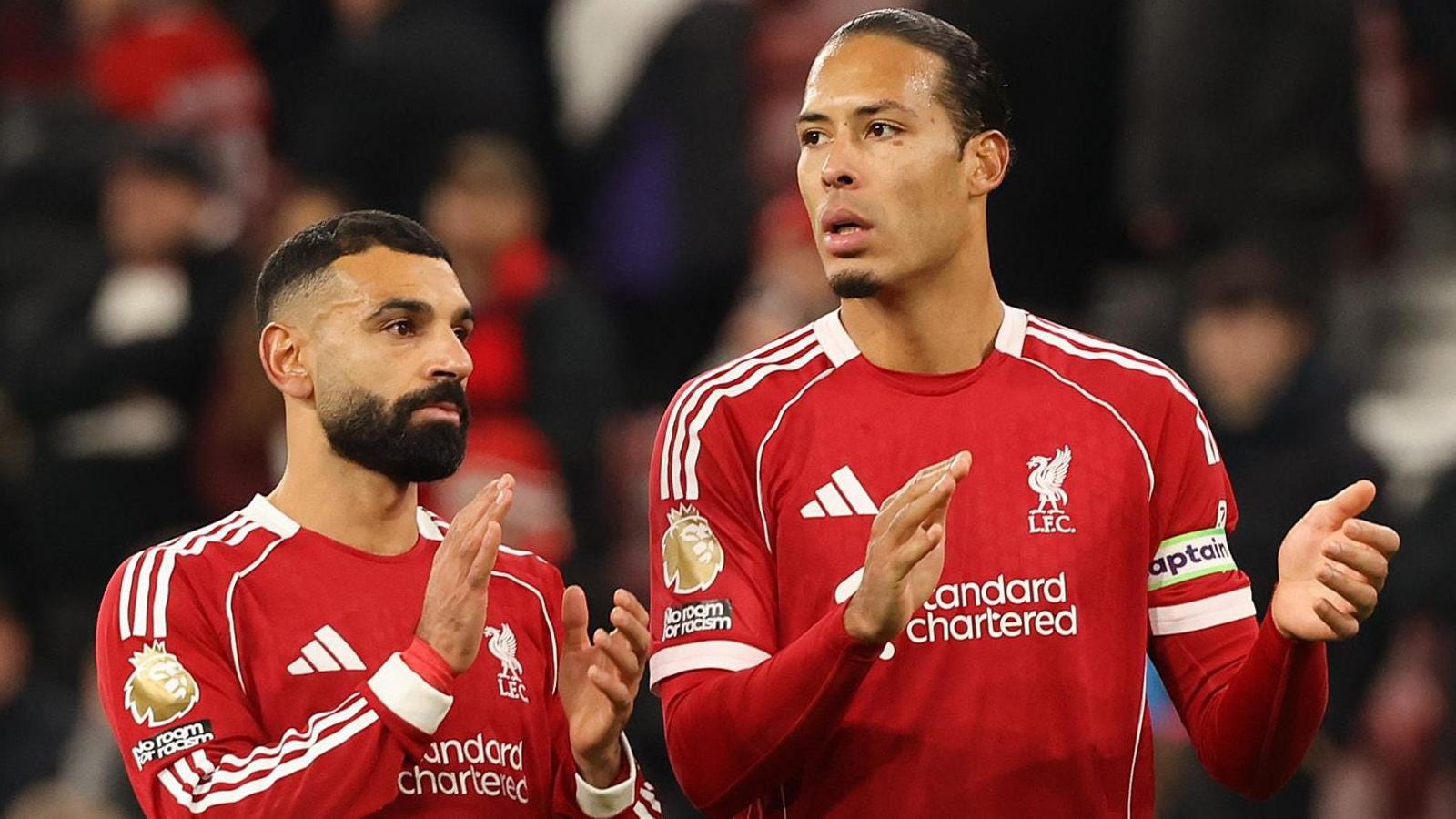
Wage Bill Pressure Across the Club
The biggest driver of those rising costs is wages.
Liverpool’s wage bill jumped by £51.2 million, taking total wages to £427.7 million. That increase reflects several factors.
Winning the Premier League brought performance bonuses. Champions League participation triggered further bonuses. There were also increases in pay across the wider organisation.
Even compensation for key management staff rose sharply during the year.
