

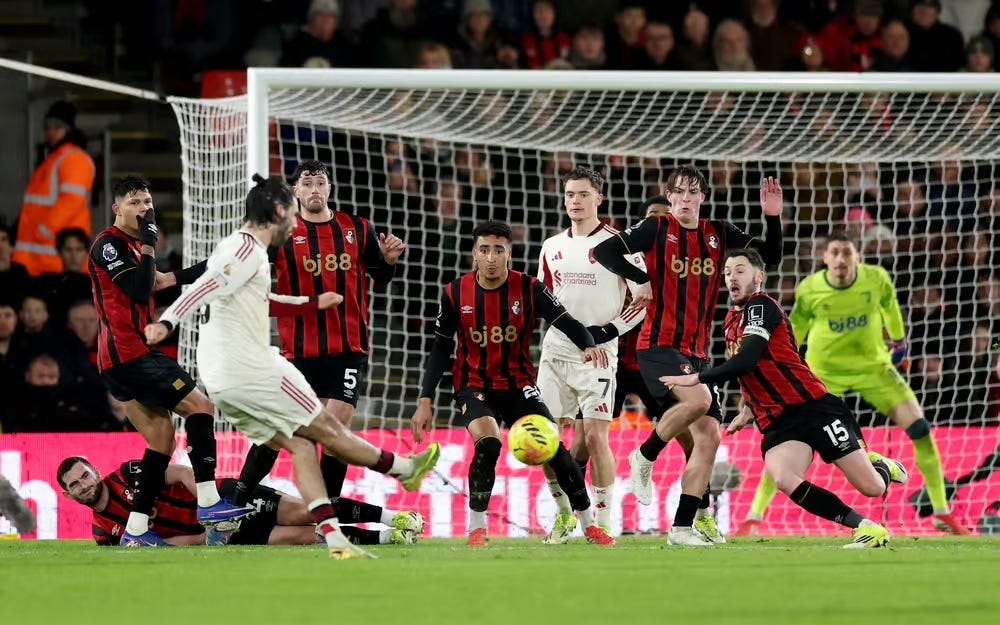
Another evening that followed a script Liverpool supporters are beginning to know too well. Control of the ball, long spells in the opposition half, pressure that felt sustained, and yet the final outcome remained depressingly familiar. Liverpool left the Vitality Stadium empty handed once again, beaten 3-2 by Bournemouth, and with it saw a 13 match unbeaten Premier League run come to an end.
Even that framing flatters the reality. Of those thirteen matches, six were draws, games that slipped by without conviction or clarity. Liverpool have become a side that dominates territory without dictating outcomes, and Bournemouth were simply the latest opponents to exploit that weakness.
Midweek victory against Olympique Marseille had offered encouragement and kept Champions League ambitions alive. The contrast on Saturday was stark. This Bournemouth side arrived depleted, missing key players, and weakened by summer departures. And yet, when the decisive moments arrived, they were sharper, braver, and more ruthless.
Liverpool, increasingly, were not.

Control And Territory Mask A Deeper Problem
Recent weeks have seen Liverpool attempt to manage matches through structure. By shoring up the midfield and protecting against long balls, Arne Slot has leaned into lower event games, seeking control through positioning rather than chaos. This match did not follow that plan.
The numbers tell an uncomfortable story. Bournemouth deserved their win. Liverpool conceded chances of alarming quality, with the average expected goals value of shots faced standing at 0.23. That is not misfortune, it is vulnerability.
Bournemouth recorded more shots on target, more attempts from inside the penalty area, and completed 12 successful deep passes. Liverpool, by contrast, took more than half of their shots from outside the box. Quantity accumulated, quality did not.
This is where matches are now being decided against Liverpool. Pressure builds, possession grows, but the danger remains theoretical rather than real.
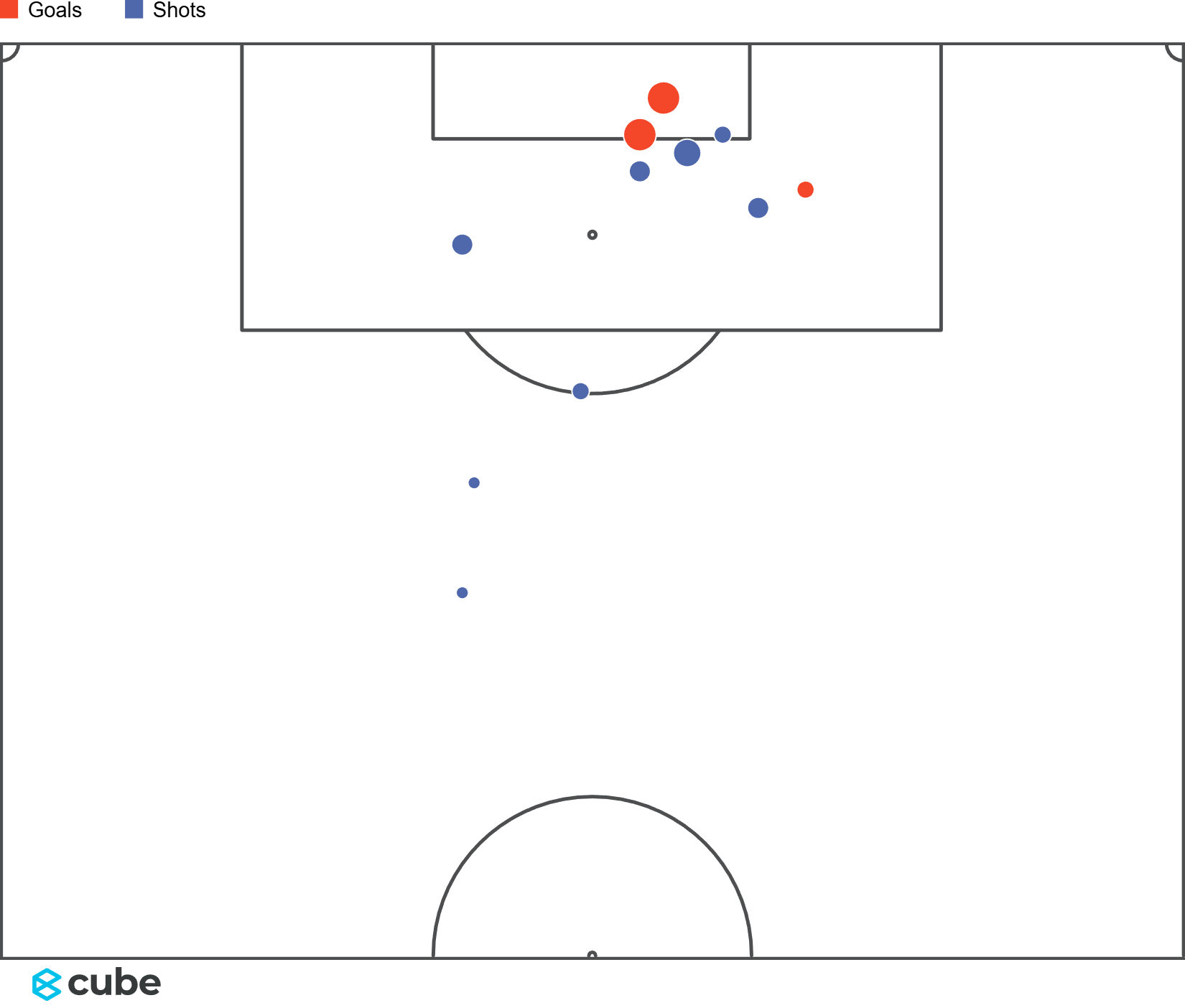
Bournemouth’s shot map illustrates the difference clearly. Six efforts came from the danger zone, three from inside the six yard box. These were not speculative moments. They were high value opportunities created through transitions, quick releases, and Liverpool’s inability to reset defensively.
Crucially, Bournemouth continued to find these chances regardless of game state. Whether leading or chasing, they looked capable of hurting Liverpool when space appeared.
Where Bournemouth Found The Space
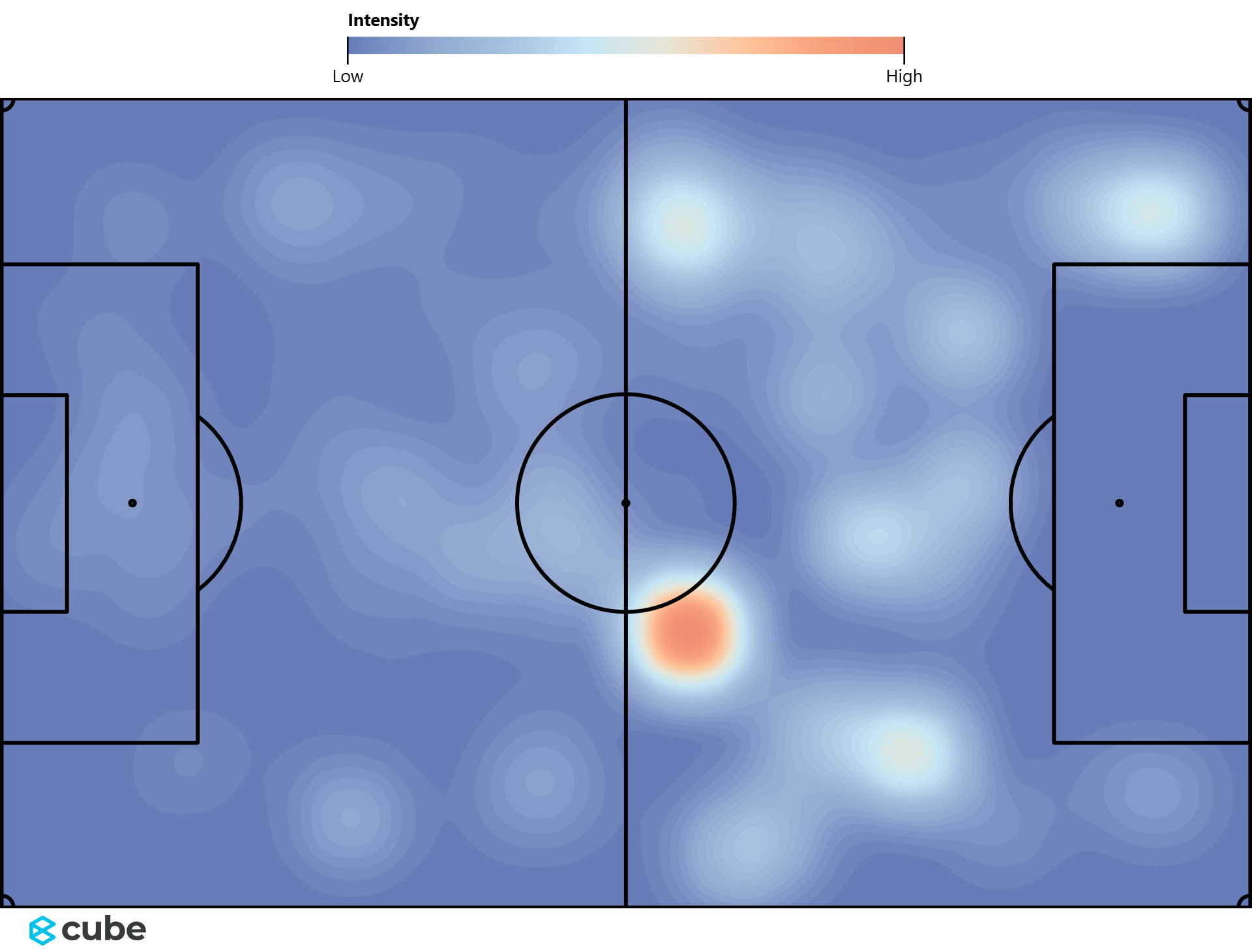
The expected threat heatmap highlights an unusual but revealing area of Bournemouth dominance. Much of their threat originated near the halfway line in the right half space. It points directly to their strategy, early vertical passes, direct carries, and a willingness to exploit space behind Liverpool’s defence before the structure could settle.
The second goal captured this perfectly. With Liverpool reduced to ten men, Hill carried the ball forward unchallenged. No pressure, no delay, no intervention. That sequence should never unfold at Premier League level.
What followed raised further concern. For seven minutes, Liverpool refused to put the ball out of play while Slot and his staff appealed from the technical area. It was a small episode, but one that hinted at disconnect and uncertainty at a critical moment.
The lighter areas on the heatmap still show threat across the top of Liverpool’s penalty area. There were no safe zones, only varying degrees of exposure.
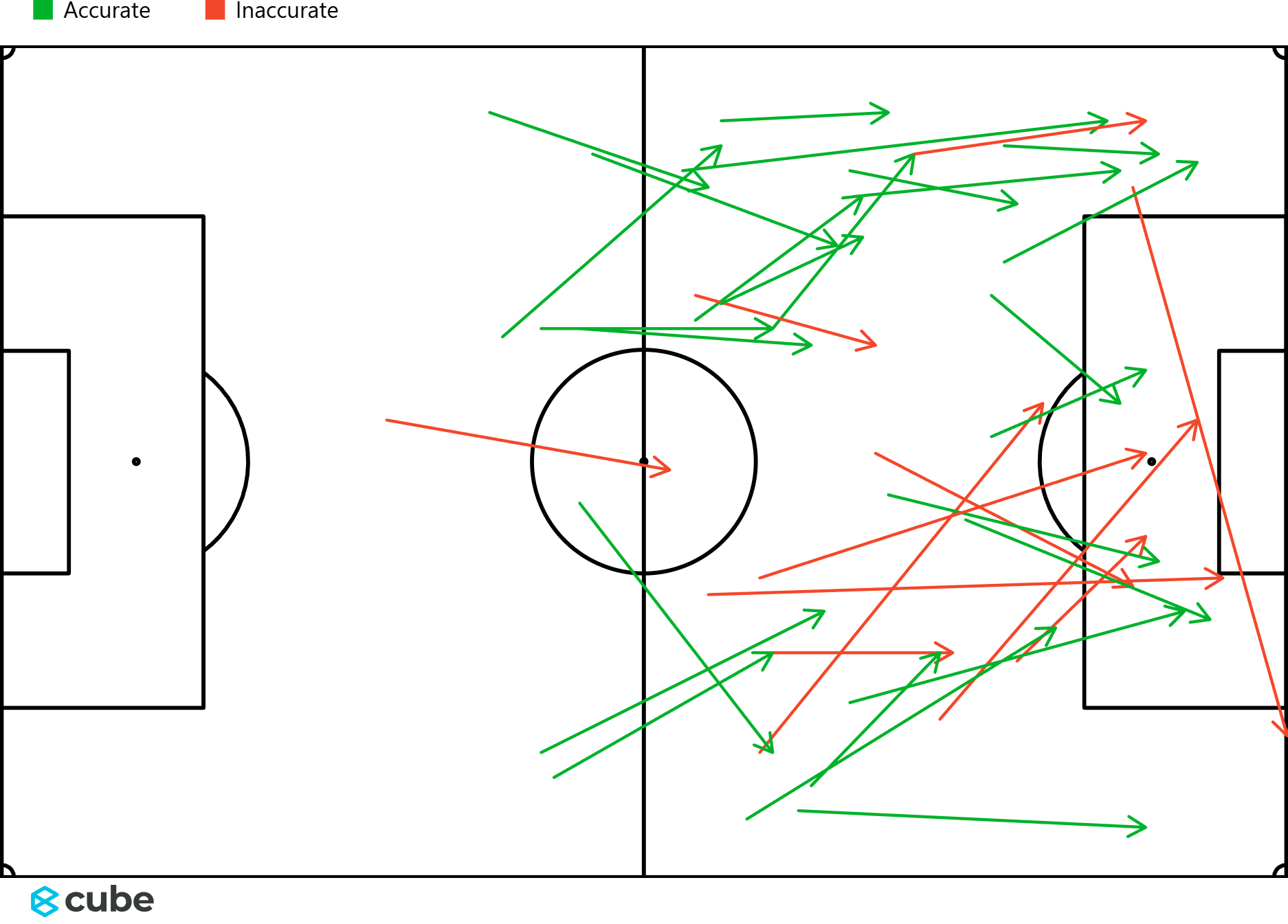
Bournemouth’s progressive passing map reinforces the picture. They advanced the ball effectively through wide areas, half spaces, and centrally. The success rate of those passes reflected how often Liverpool were caught between pressing and protecting.
Liverpool Possession Without Penetration
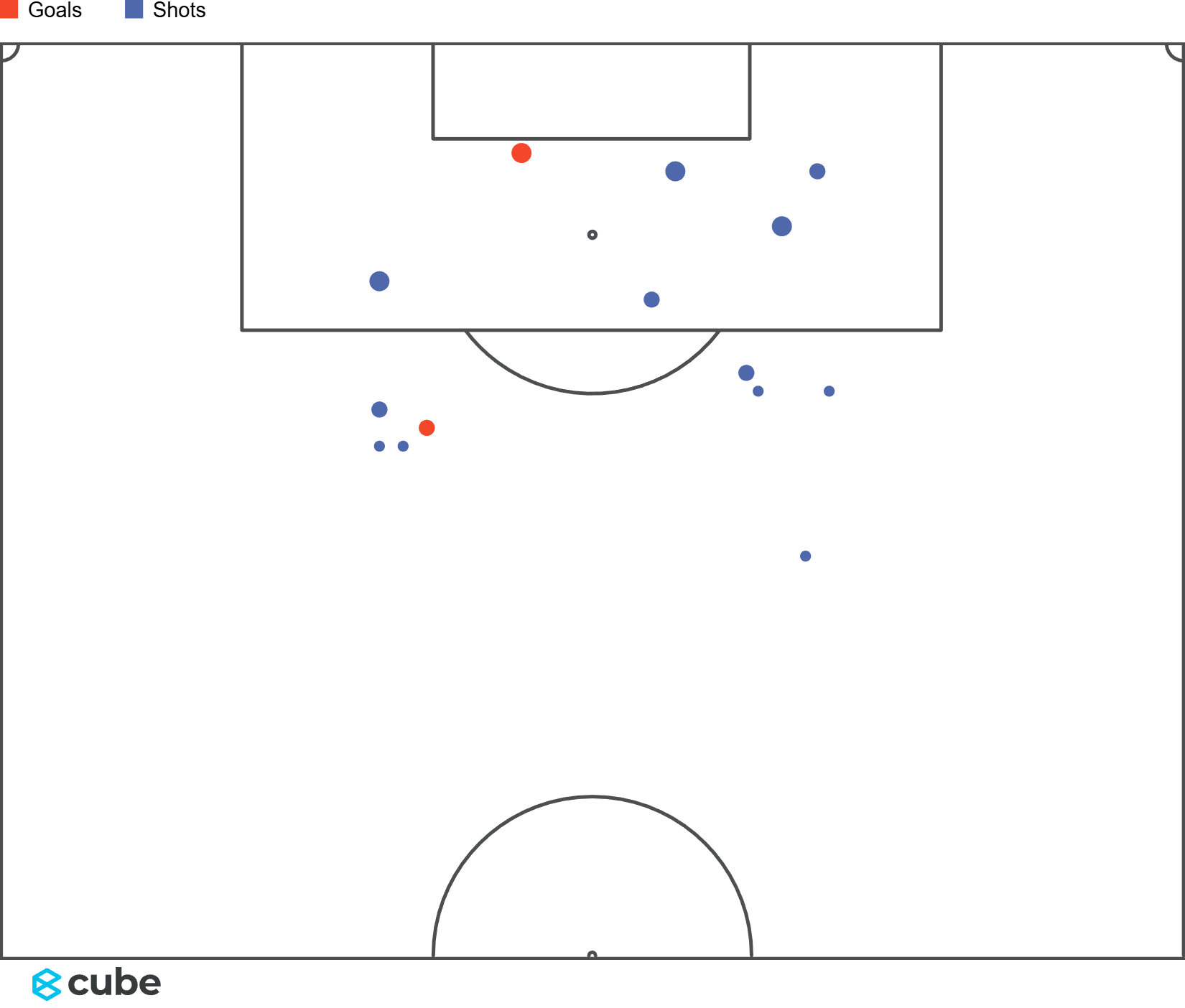
Liverpool’s own shot map tells a story that has become increasingly familiar. Efforts were scattered and largely speculative. Only three shots came from the danger zone, and none from open play found the net.
Virgil van Dijk’s goal arrived from a Dominik Szoboszlai corner. Szoboszlai himself equalised from a free kick. Set pieces kept Liverpool competitive. Open play did not.
Mohamed Salah found himself in promising positions on more than one occasion, but the final decision or execution fell short. These moments are no longer exceptions, they are patterns.
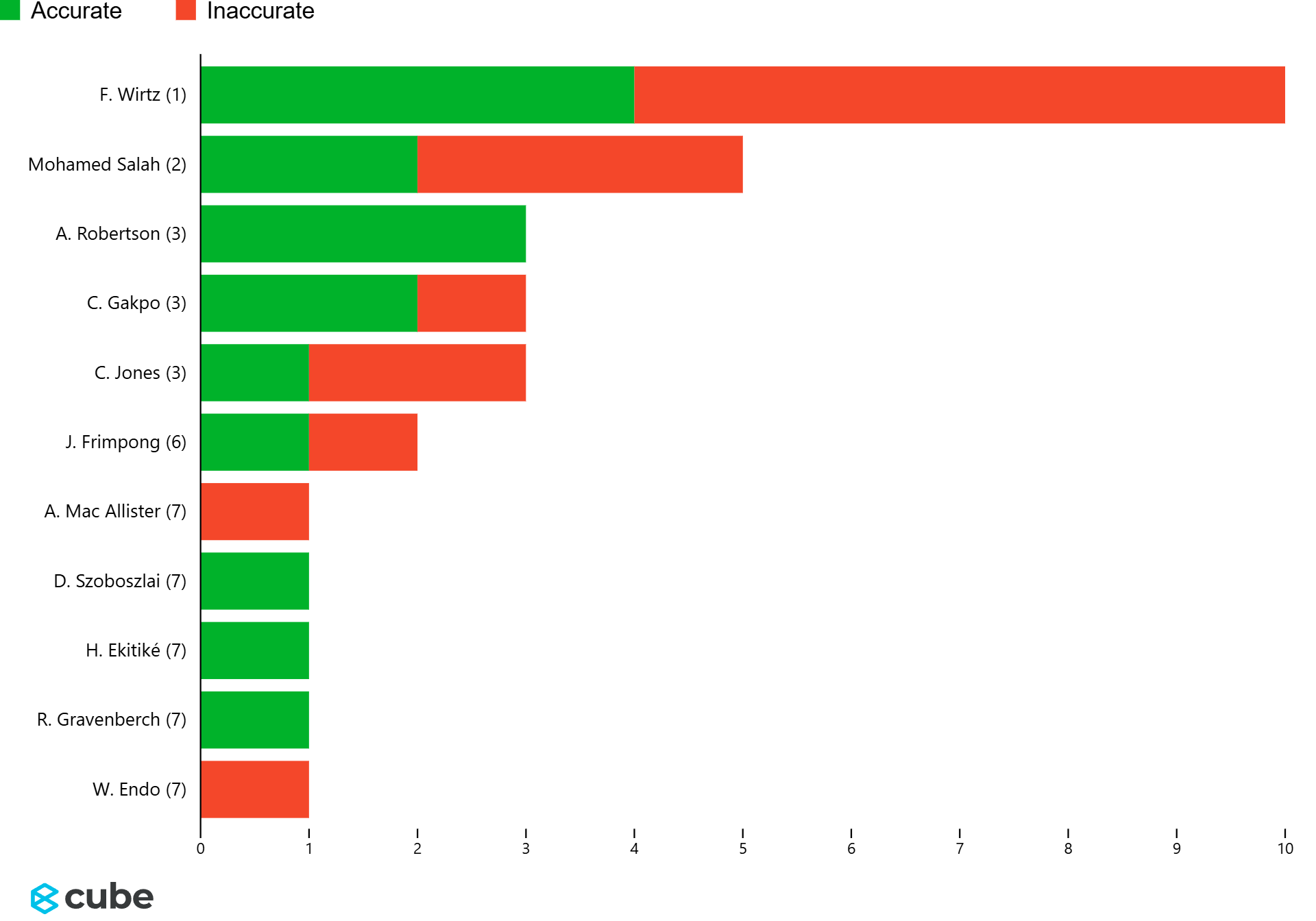
Florian Wirtz stood out statistically. He led the team for both attempted and completed passes into the penalty area, an indication of where Liverpool’s most progressive play originated. Andy Robertson, introduced later, added three passes into the box, though context matters.
Robertson entered during a phase when Liverpool were chasing the game and the contest had become stretched. His attacking contributions came at the expense of defensive control, a trade off that only increased the volatility of the match.
Individual Bright Spots In A Collective Stagnation
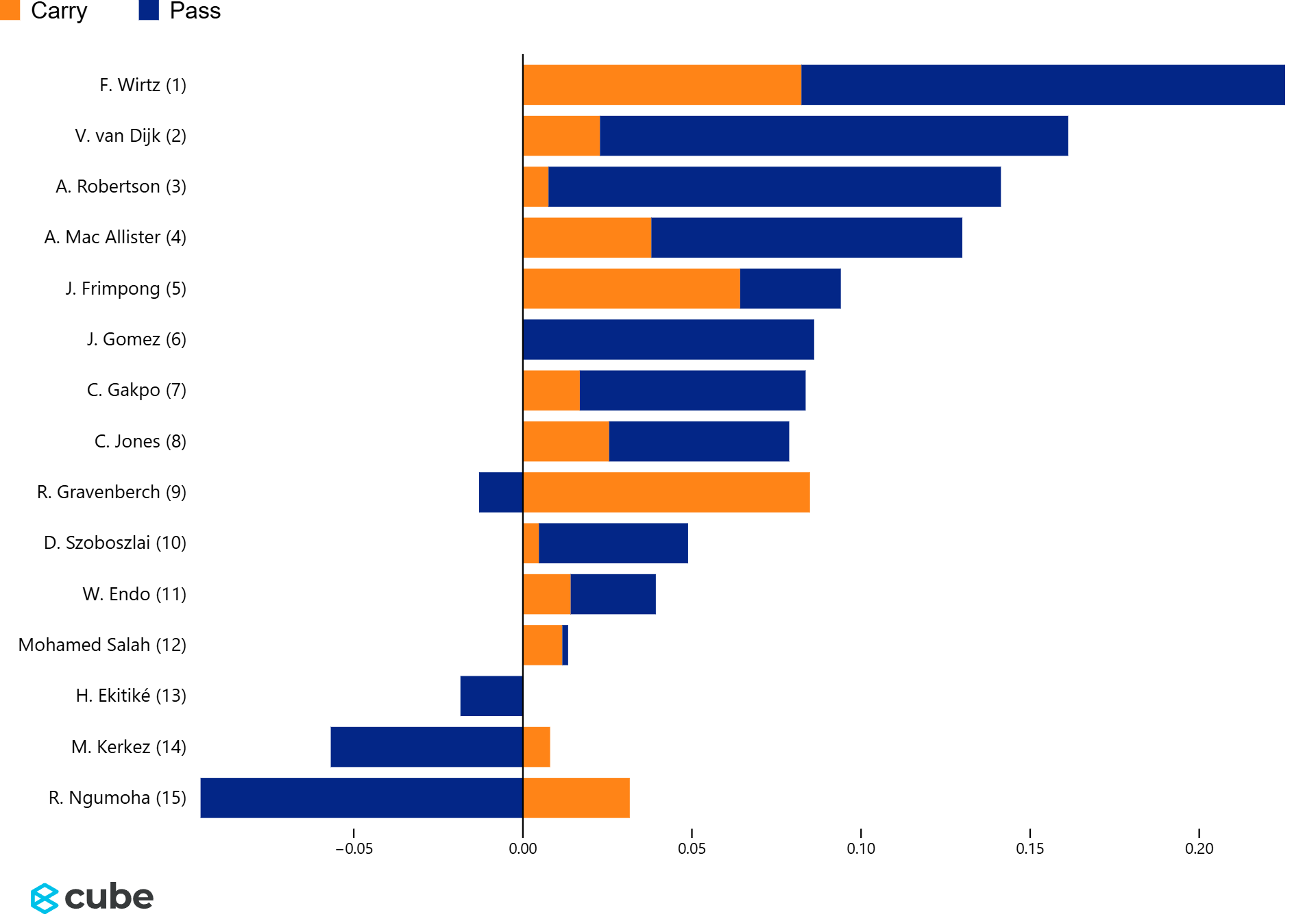
Liverpool’s expected threat rankings underline Wirtz’s growing influence. He led the team in total xT by combining passing and carrying value. He ranked second in carry based threat behind Ryan Gravenberch, and second in passing threat behind Van Dijk. It marked the first time he has topped Liverpool’s xT output in a match.
Rio Ngumoha’s numbers also demand attention. His carry based xT output was double that of Cody Gakpo. His dribbling, his willingness to draw fouls, and his ability to change direction brought unpredictability to a side that badly needs it. The foul he won before the equaliser was no accident, it was the product of initiative.
A start feels increasingly justified.
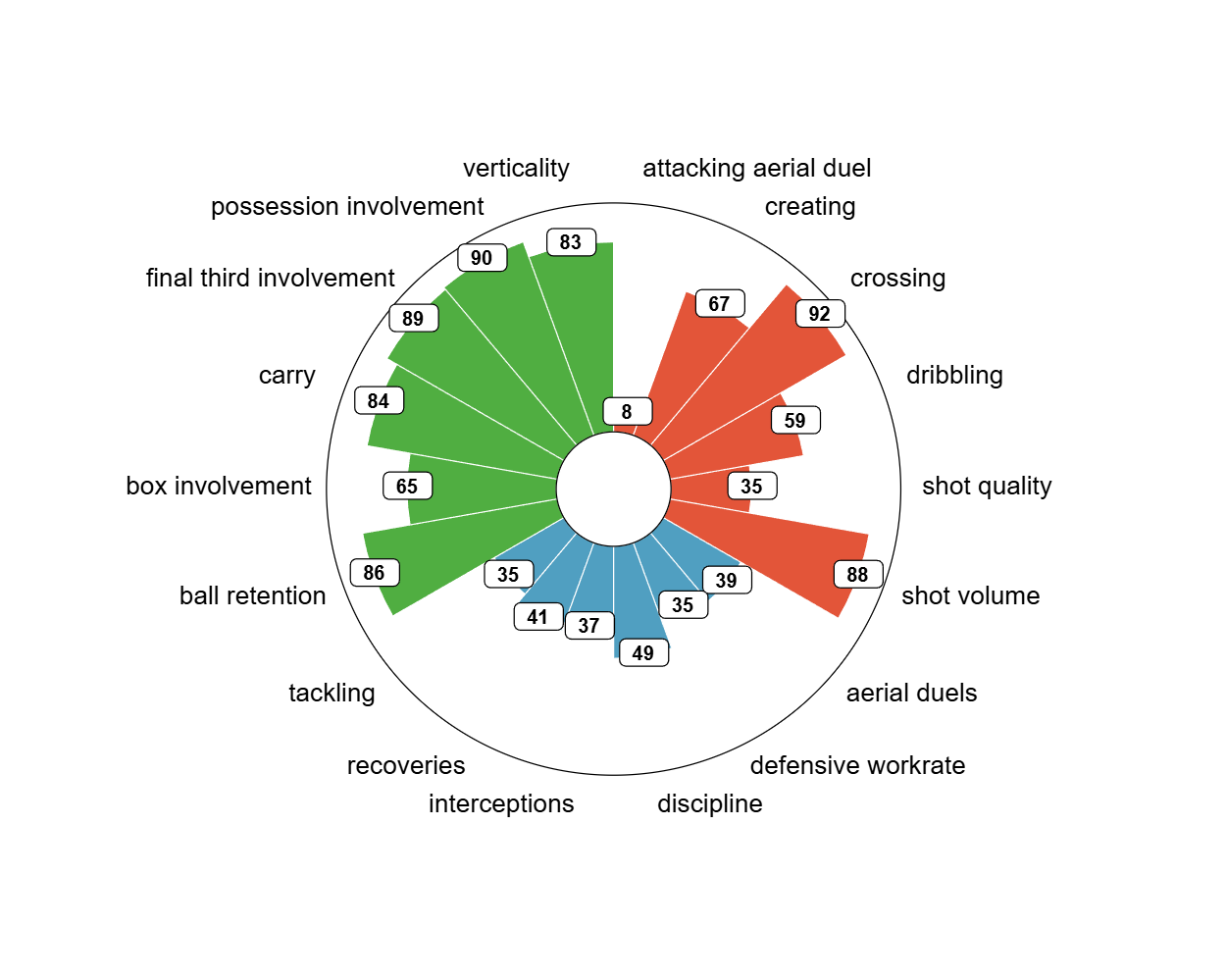
Szoboszlai’s influence once again proved vital. A goal and an assist kept Liverpool alive, and across the season he has been one of the side’s most consistent performers. His energy, movement, and leadership remain central to Liverpool’s best moments.
His occasional use at right back, while serviceable, blunts Liverpool’s overall balance. His shot quality suffers due to the volume of long range attempts, but his involvement in possession sequences remains invaluable.
A Statistical Regression That Explains The Feeling
The wider context makes this defeat feel heavier. Slot’s side are still searching for their first Premier League win in 2026. More damning still is what happens once Liverpool fall behind. This season, they have collected just two points from losing positions.
That figure represents a dramatic regression. By this stage last season, Liverpool had already recovered 23 points from behind. Across the 2023-24 campaign, that number reached 29. Then, conceding sparked urgency, belief, and reaction. Now, it feels terminal.
Once control fails to translate into a lead, the confidence drains away. Possession becomes passive, pressure becomes predictable, and opponents sense opportunity rather than danger. Bournemouth simply accepted the invitation.
Where This Leaves Liverpool
Liverpool continue to drift. This was yet another shocking league performance, not because of effort, but because of familiarity. The solutions Slot is exploring have yet to produce stability or conviction in decisive moments.
European form continues to mask domestic flaws. The Champions League league phase has spared Liverpool from facing English opposition, flattering comparisons and delaying harder truths. In the Premier League, those truths are unavoidable.
It is not too late to save the season. But the warning signs are no longer subtle. Control without conviction leads only one way. Liverpool keep the ball, opponents keep the points.
And until that changes, the story will keep repeating.
Analysis credit to Mark Matrai and xfb Analytics for all tactical visuals and data.
Great analysis. The game was there to be won in the first half hour whilst Bournemouth were feeling their way in and looking a bit unsure of themselves given recent results. Hugo should’ve started to get the best from Flo with Curtis backing them up. Going ahead was the key to us winning it but letting them do so brought out all the team’s insecurities.