

There’s a temptation to see the reported sale of a minority stake in Liverpool as little more than another financial transaction. I think it deserves a broader lens.
Football has changed. Profit and Sustainability Rules have made it far harder for owners to simply pour limitless wealth into clubs, while the transfer market has continued its relentless climb. When a player like Crysencio Summerville can reportedly command a fee of around €80 million, the economics of the elite game are moving faster than even the wealthiest investors can comfortably justify.
FSG have always been disciplined custodians. They bought Liverpool for £300 million, transformed the club on and off the pitch, expanded Anfield, built a world-class training ground and, if reports are accurate, have now helped create a business valued at around £4.5 billion. That is an extraordinary return over 16 years, exactly the kind of growth that attracts investment funds and exactly the kind of moment when investors begin to consider realising those gains.
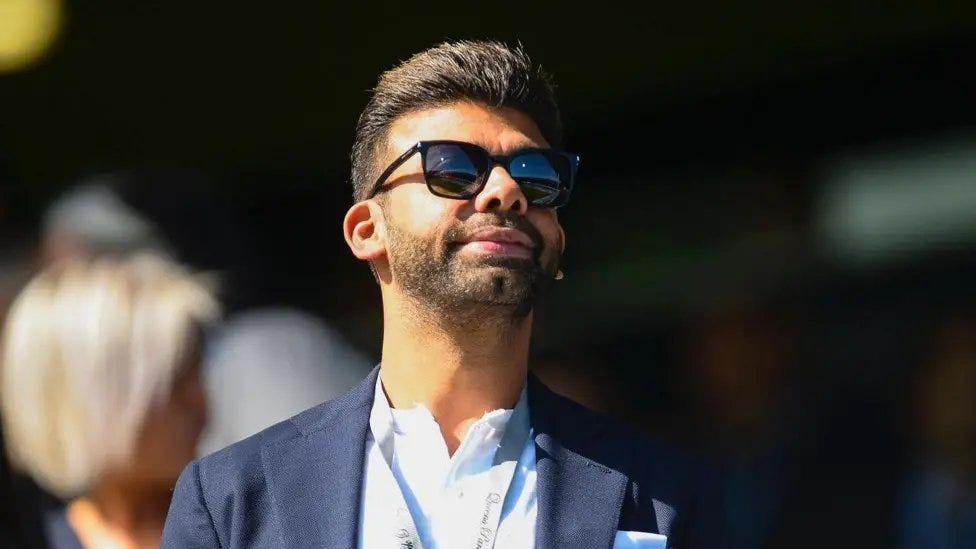
If this Amit Bhatia minority investment goes through, I wouldn’t be surprised if history eventually views it as the first chapter of an orderly exit rather than an isolated deal. Not tomorrow, probably not even next year, but most certainly over the coming years.
That doesn’t have to be bad news. Football is entering an era where sustainability alone may no longer be enough to keep pace with rivals operating in an increasingly inflated market. Fresh capital, fresh ideas and, eventually, fresh ownership may prove to be the natural next step in Liverpool’s evolution.
For now, it’s only a minority investment under discussion. Yet sometimes the smallest moves quietly reshape the future.
The lack of investment so far this summer, the about turn in multi club strategy and executives leaving suddenly all makes sense. FSG has clearly decided it has maxed out its profit and it has taken the club as far as it wants to. It's fairly clear this has gone on for a while and it looks like we're for sale. Perhaps not immediately but I wonder whether we are being set down gently.