

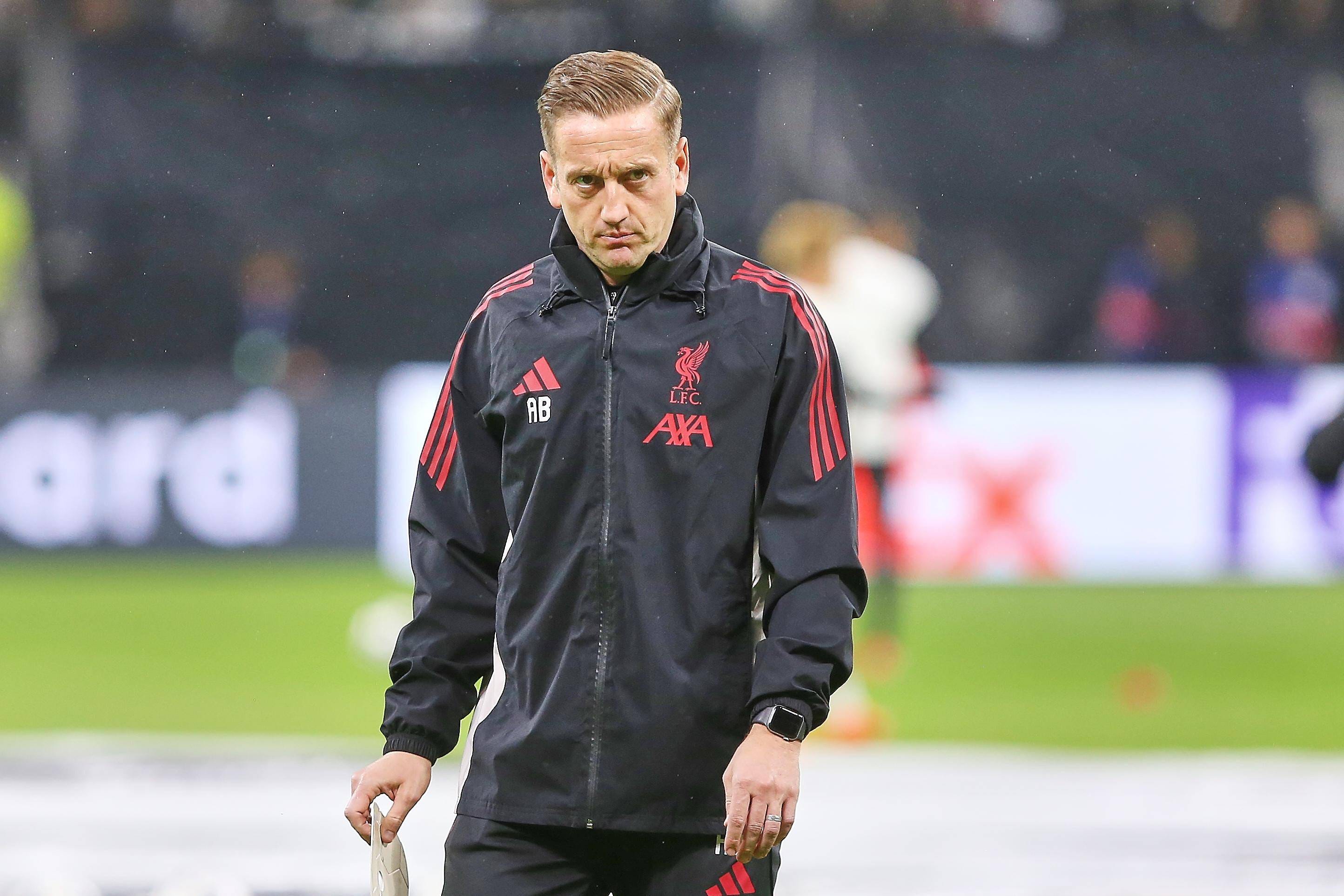
Liverpool’s decision to part company with Aaron Briggs as set piece coach has been framed in some quarters as harsh, even reactionary. I do not see it that way. I see it as overdue, uncomfortable, and ultimately unavoidable. Football clubs at the highest level live on fine margins, and Liverpool were bleeding goals from one of the most controllable phases of the modern game. When that happens over a sustained period, explanations begin to thin out and responsibility sharpens into focus.
This is not written with malice, nor with any pleasure in seeing a coach lose his role. It is written from the standpoint of a supporter who has watched a weakness linger, deepen, and threaten to undermine an otherwise title challenging side under Arne Slot. There is sympathy for the individual, but there must also be clarity about the role, the context, and the evidence.
Aaron Briggs and a role shaped by circumstance
Aaron Briggs arrived at Liverpool with a varied and respectable background. His work across different clubs and environments spoke of adaptability and intelligence. Initially, his position was not framed as a specialist set piece role. He was brought in to replace Vitor Matos, acting as a bridge between academy and first team, a connective role that requires communication and development skills rather than narrow tactical ownership.
