

Liverpool vs Brighton: Control Without Comfort in the Premier League Title Grind
Liverpool’s 2–0 victory over Brighton at Anfield will not be remembered as a classic, but it may prove to be one of those wins that quietly define a Premier League campaign. This was a game shaped less by spectacle and more by problem-solving, fatigue management, and tactical compromise. In a season where margins matter, Liverpool found a way to win without dominating the narrative, and that matters.
Coming into this fixture, context was everything. Liverpool were navigating a brutal run of fixtures, limited training time and injuries in key areas. Brighton, by contrast, arrived well-rested, tactically flexible, and true to their identity as a side capable of making games uncomfortable for anyone.
What followed was a match where Liverpool edged the decisive moments, even if the underlying numbers suggest something closer.
Possession, territory and why control looked different
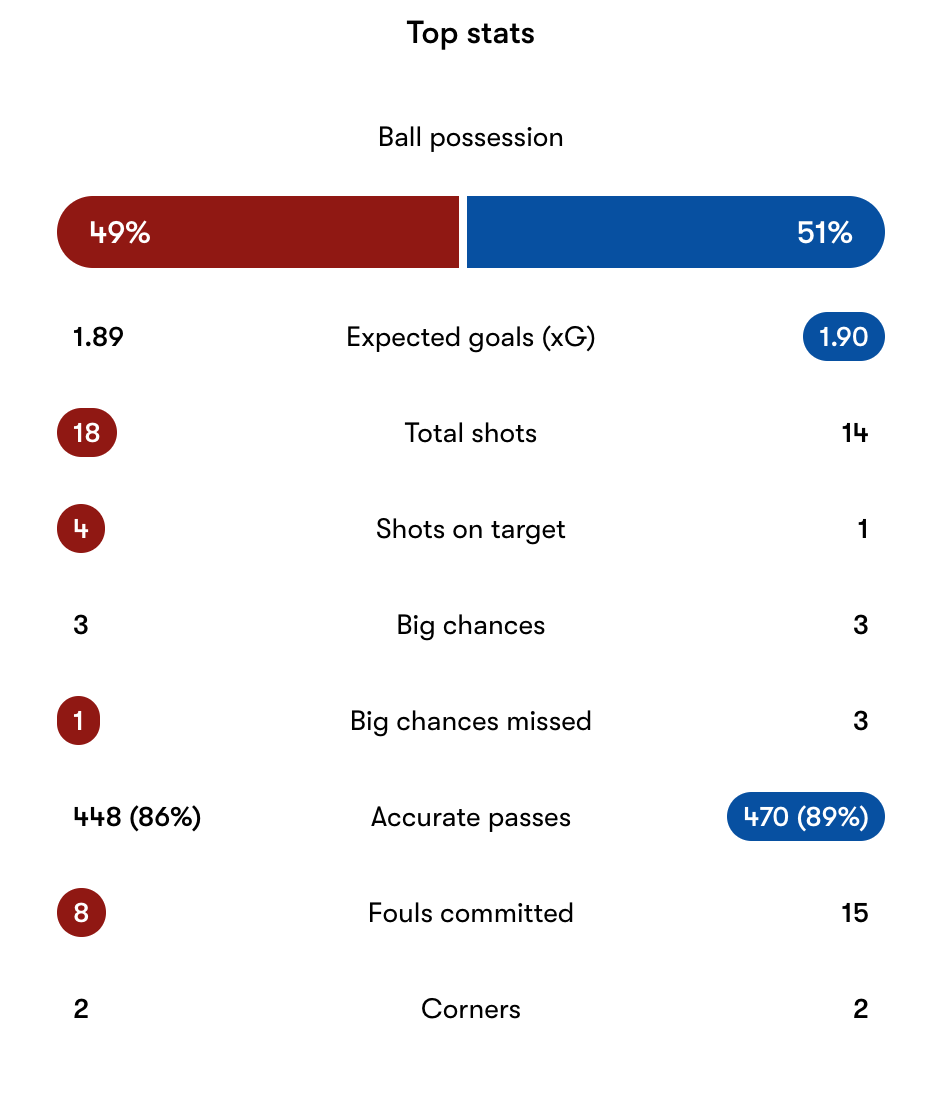
The first thing that stands out from the data is how even the game appears on the surface. Possession was almost split, with Liverpool at 49% and Brighton at 51%. Expected goals tell a similar story, Liverpool at 1.89, Brighton at 1.90. This was not a match where Liverpool smothered their opponent with the ball or camped permanently in the final third.
Yet control does not always mean dominance. Liverpool attempted 18 shots to Brighton’s 14, with four on target compared to Brighton’s single effort on goal. That detail matters. Brighton accumulated threat, but Liverpool restricted the quality of that threat when it counted.
This was a match where Liverpool were comfortable conceding certain types of possession, particularly in non-dangerous areas, while remaining disciplined in their defensive shape. Brighton circulated the ball well, completing 470 accurate passes at 89% accuracy, but Liverpool were content to let that happen provided central spaces were protected.
The balance between risk and restraint felt deliberate.
Shot profile tells the real story of threat
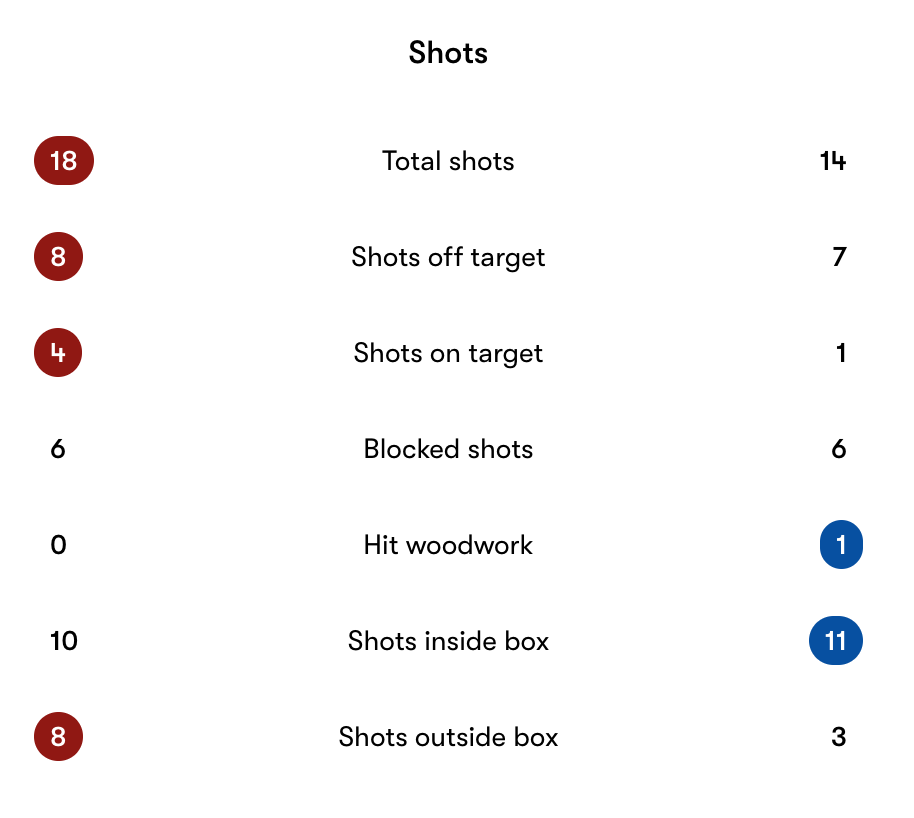
The shot map reinforces that point. Liverpool took more shots overall, but the composition of those efforts is revealing. Ten of Liverpool’s shots came from inside the box, compared to Brighton’s eleven, yet Liverpool were far more selective in when they committed bodies forward.
